
Good dressing has never been about size, it's about fit, proportion, and choosing pieces that work with your body rather than fighting it. The silhouettes and techniques that flatter a plus size frame are well established; the challenge is usually knowing which ones to reach for, and why they work in the first place, rather than following advice without understanding the reasoning behind it.
This guide focuses on the practical decisions that make the biggest difference: silhouette, fabric, and how to layer with intention. If you haven't yet, our broader guide to choosing a dress for your body shape is a useful starting point alongside this one, since many of the same proportion principles apply here too.
Master the Silhouette First
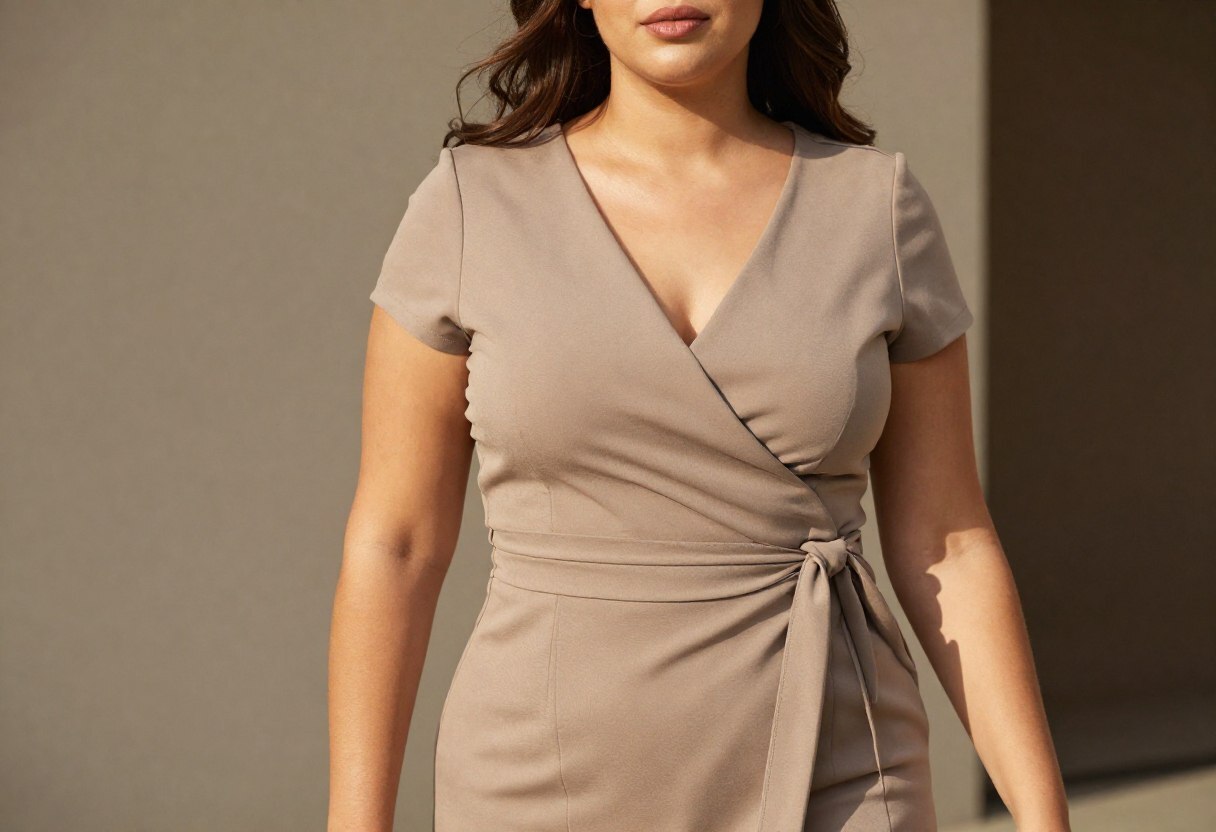
Wrap dresses: these cinch naturally at the narrowest point of the waist, which makes them one of the most reliably flattering options available. The adjustable tie means the fit can be tailored to the day, not fixed to a single measurement, which also makes wrap dresses genuinely comfortable to wear for extended periods, a practical consideration that shouldn't be underestimated.
A-line fits: fitted through the bodice and tapering outward from the waist, A-line dresses flatter an unusually wide range of body types. The shape floats over the midsection rather than clinging to it, which means it moves comfortably through a full day without needing constant adjustment.
|
✦ EUGENIE CLOUDLANE A-LINE DRESS (BALTIC BLUE)
A well-cut A-line silhouette, fitted at the bodice, gently flaring from the waist. One of the most versatile shapes for creating definition without restriction. |
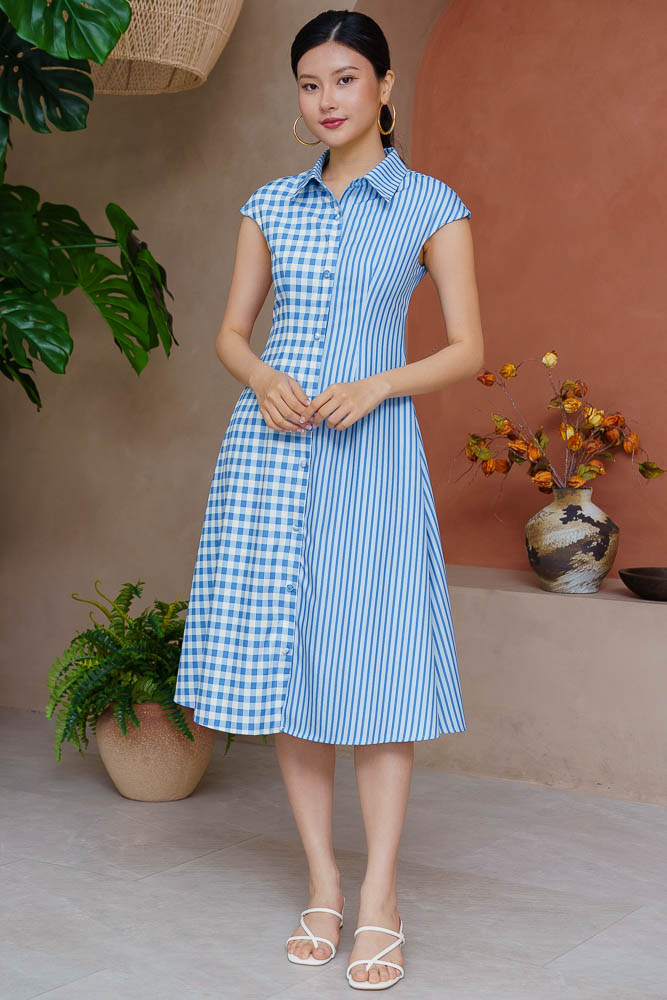
Shirt dresses: structured but not restrictive, a shirt dress gives you the option to belt it for a defined waist or wear it looser for a more relaxed silhouette, genuine flexibility built into one piece, and a good option if your comfort preferences change depending on the setting or time of day.
Strategic Styling and Layering
Create Vertical Lines
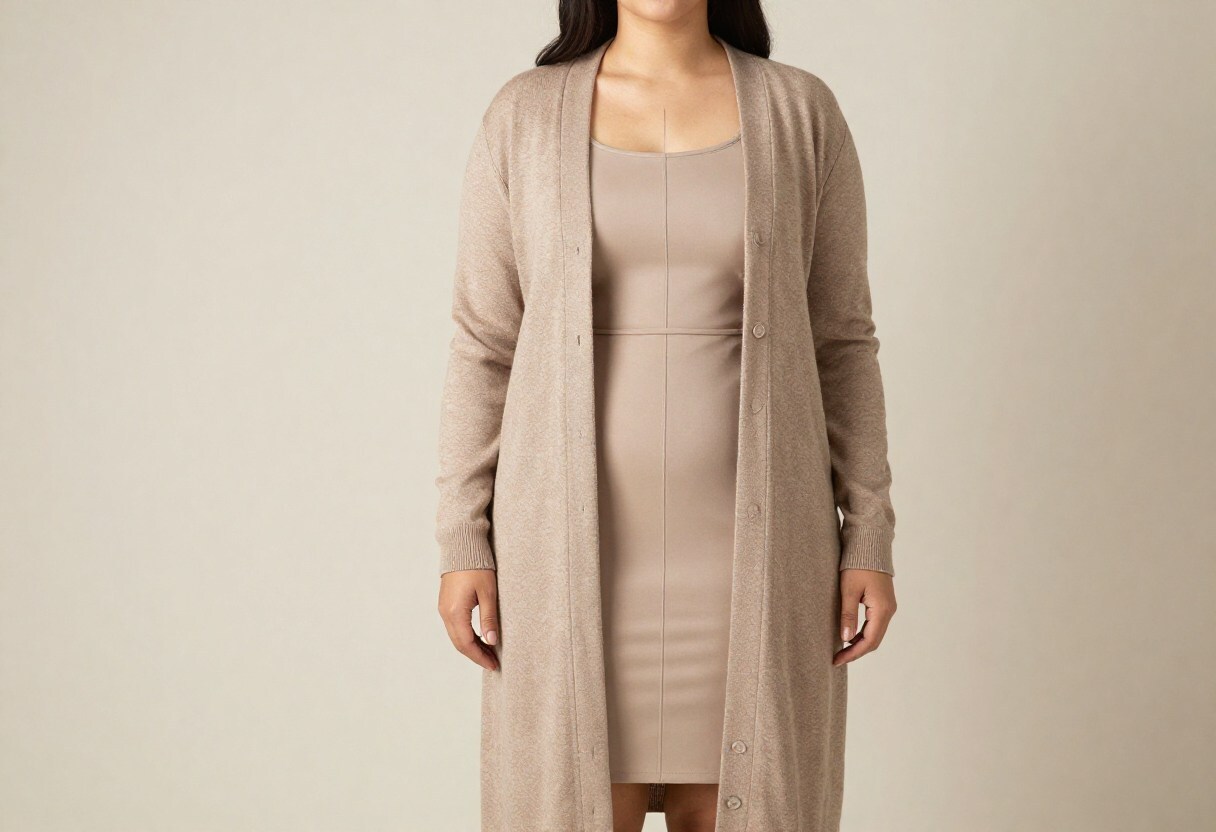
Long cardigans, dusters, or an unbuttoned shirt dress worn open over another layer all create vertical lines that visually elongate the frame. This is one of the most effective and least discussed styling techniques, the eye follows the vertical line rather than settling on width, and it works regardless of what's underneath the open layer, which makes it one of the more forgiving tricks in this guide.
Choose the Right Fabrics
Skip flimsy, clingy materials. Structured yet breathable fabrics, heavy linen, rich cotton, or structured knits, hold their shape through the day and drape in a way that flatters rather than clings. Fabric choice does more heavy lifting here than most people expect, and it's often the difference between a dress that photographs well but feels uncomfortable to actually wear, and one that does both.
Avoid Excess Volume
Heavy tiers, dense ruffles, or pleating concentrated across the midsection can add visual bulk rather than reducing it. This doesn't mean avoiding pattern or texture altogether, just being deliberate about where that volume sits on the body. A tiered skirt that starts below the hip, for example, avoids the issue entirely while still offering that silhouette if you like it.
|
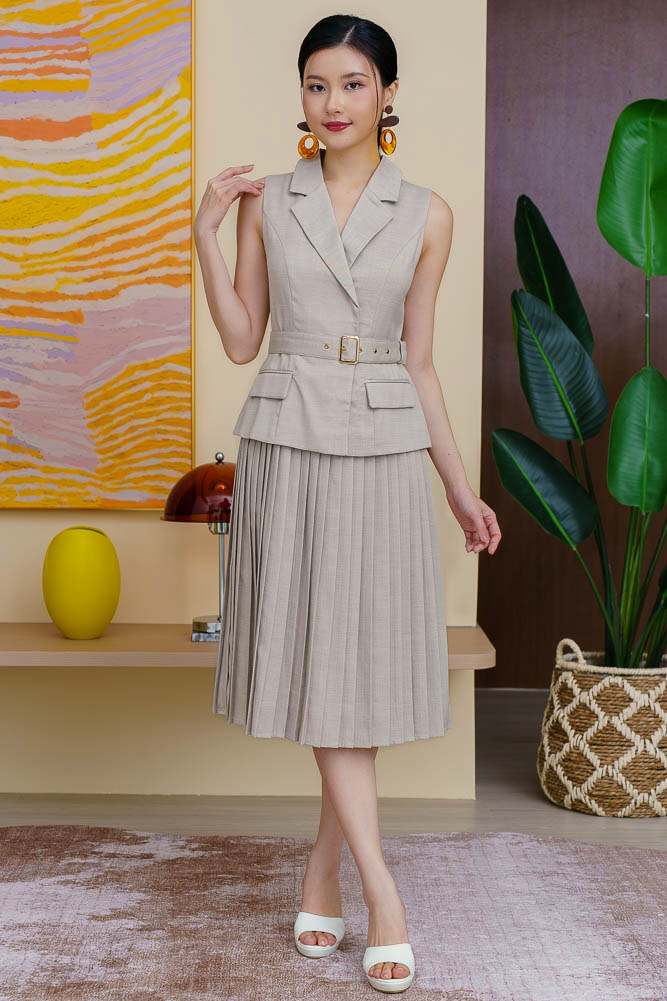
✦ OLYMPIA PLEATED BLAZER DRESS (LIGHT SAND)
A shirt dress with a button placket and side pockets, structured enough to hold its shape, relaxed enough to wear comfortably through a full day. |
Colour, Pattern, and Neckline
There's no reason to default to dark, muted colours. Bold colours and expressive prints are entirely wearable, confidence in colour choice is itself a styling tool, and often does more to elevate an outfit than the cut of the garment alone. If you want to draw the eye toward a particular area, colour blocking is genuinely effective: darker tones over areas you want to recede, brighter tones where you want attention.
For necklines, sweetheart, square, and V-necks all frame the face and draw the eye upward, a reliable choice across most dress styles. A deep V in particular elongates the neckline visually, which is worth considering for pieces you want to feel especially polished.
Fabrics That Move With You
Look for fabrics with a small amount of stretch and genuine drape, jersey blends, crepe, or breathable rayon all move with the body rather than clinging to or fighting against it. This single fabric consideration often determines whether a dress feels comfortable through a full day or something to be endured, and it's worth prioritising over pure aesthetics when trying pieces on, since a dress you can't wait to take off rarely gets worn a second time regardless of how it looks.
What to Approach With Caution
A few genuine considerations worth knowing, rather than rules to follow rigidly: very short hemlines can shorten the leg line more than intended on a fuller frame, and oversized or shapeless clothing tends to add visual bulk rather than concealing it, the opposite of what's usually intended. Horizontal stripes can widen the visual read of an area; if you love the pattern, a vertical or diagonal stripe placement achieves a similar effect without the same trade-off.
Read Also: How to Choose a Dress for Your Body Shape
The techniques here work with any well-made dress, not a special separate category of clothing. For the broader principles of layering and accessorising once you've settled on a silhouette, see How to Style a Dress.
Explore Faire Belle's dress collection for wrap, A-line, and shirt dress silhouettes suited to these techniques.
FAQs How to Style a Dress for Plus Size Women
What's the most flattering dress style for a fuller midsection?
Wrap dresses and A-line silhouettes are generally the most reliable choices, since both draw the eye to the waist without clinging through the stomach area. Ruched fabric in the midsection is another effective option, it adds texture that visually distracts from and smooths that area without needing structural boning or shapewear underneath.
Should I avoid tight clothing entirely?
Not necessarily. The key isn't avoiding fit altogether but choosing fabrics with the right amount of stretch and structure, a well-fitted jersey or crepe dress can look polished, while a stiff, non-stretch fabric in the same tight cut will feel restrictive and look less comfortable. Fit and fabric choice matter more than simply choosing looser sizing.
What length works best for plus size dressing?
There's no single best length, midi and maxi both work well, and the choice comes down to personal comfort and the occasion rather than a body-shape rule. A midi tends to be more versatile for everyday wear, while a maxi offers more coverage and drape for formal or evening settings.
Are prints harder to style for a plus size frame?
No, and this is a common misconception. Prints are entirely wearable at any size, the main consideration is scale rather than avoiding pattern altogether. A very small, densely packed print can sometimes read as busier than intended up close, so a medium to large-scale print often photographs and wears more successfully.