
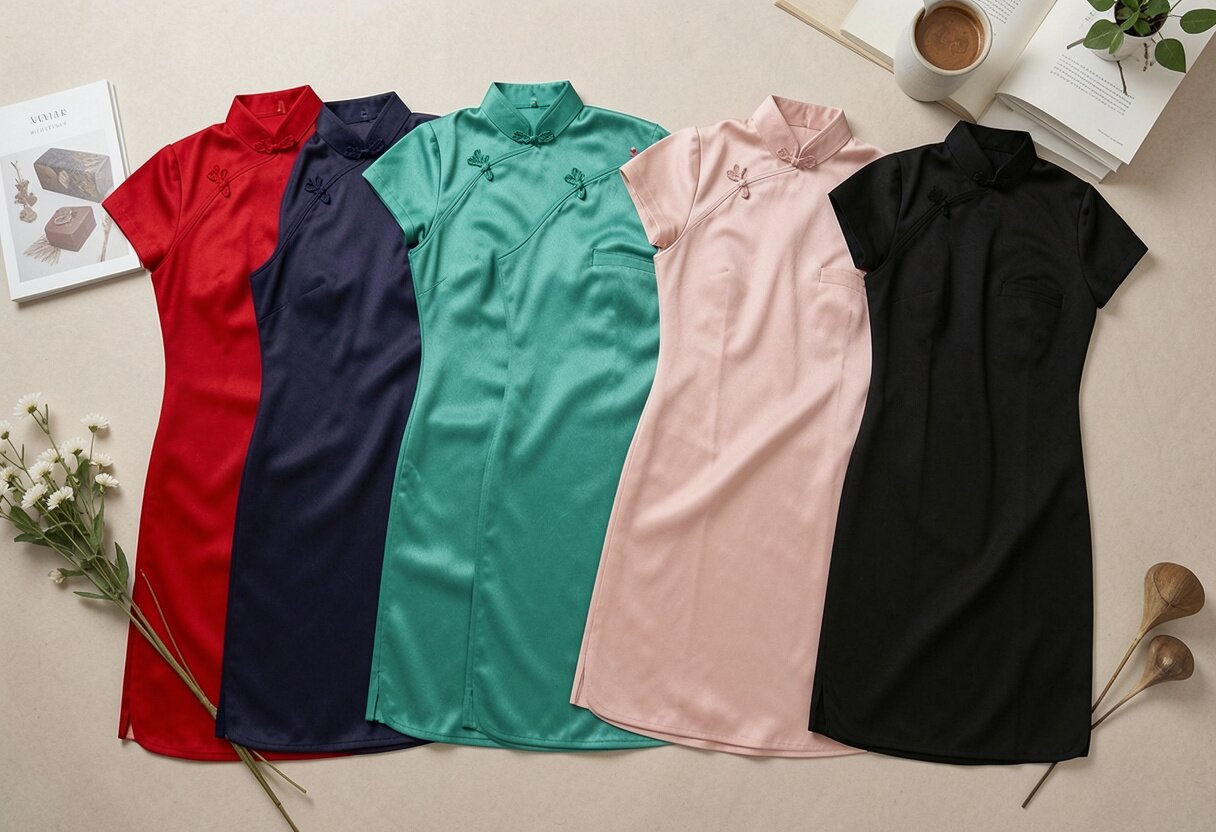
Cheongsam Colour Guide: Meanings, Occasions & How to Choose
You have found the silhouette. The fabric feels right. And then you pause at the colour, because choosing a colour for a cheongsam is not quite the same as choosing a colour for any other dress.
Colour in cheongsam dressing carries genuine cultural meaning: associations with occasions, with fortune, and with what the choice communicates to the people around you. Understanding that meaning is what enables you to make confident decisions, not to be constrained by it, but to move through it with knowledge rather than uncertainty.
This guide covers the symbolic meaning behind each colour, which hues suit which occasions, how fabric changes the way colour reads, and how to choose for your own complexion. Treat it as a guide, not a rulebook.
Why Colour Matters in Cheongsam Dressing
In Chinese cultural tradition, colour has carried explicit meaning across centuries, tied to occasion, social context, and symbolic intention. The cheongsam, which has always been an occasion-specific garment, carries this tradition forward.
That said, the relationship between tradition and modern cheongsam dressing is dynamic, not fixed. Understanding the tradition is precisely what gives you the freedom to navigate it thoughtfully.
Also Read: Wedding Guest Colour Guide
The Colour Meanings: What Each Hue Carries
Red
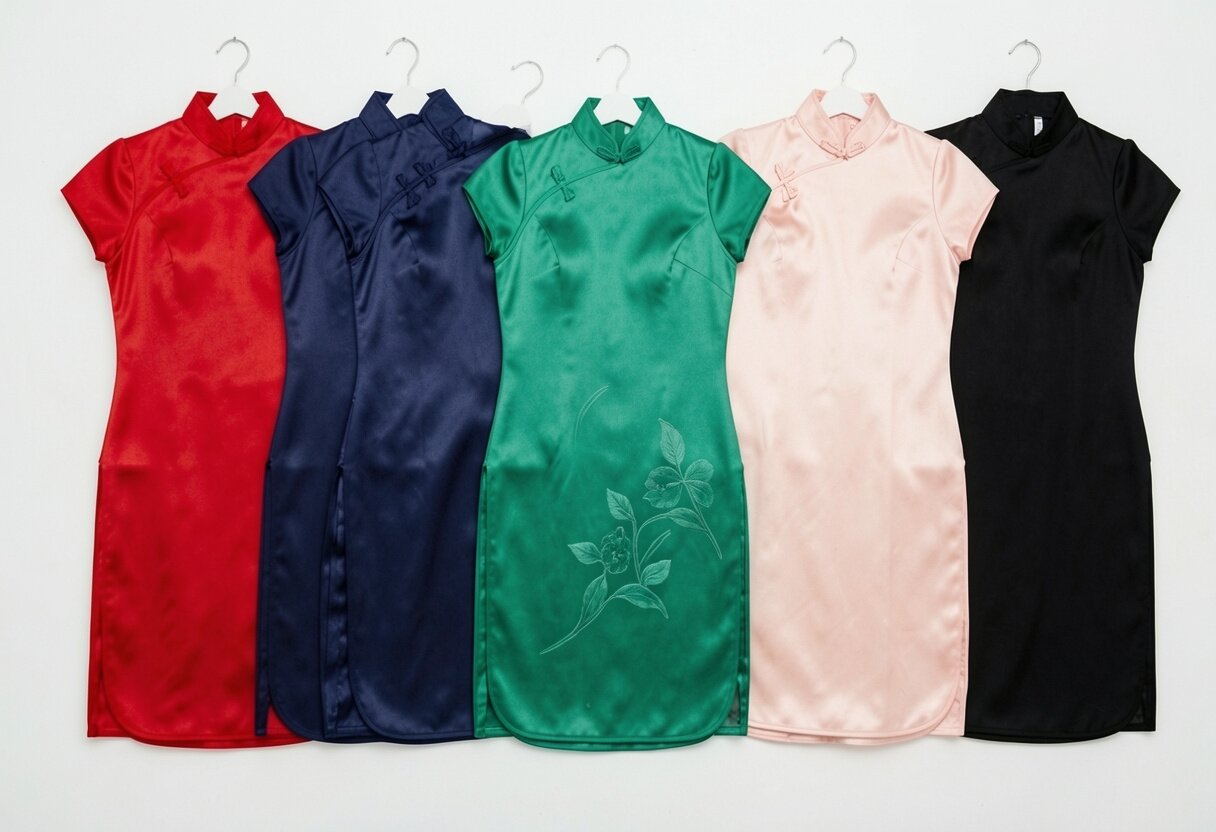
The most auspicious colour in Chinese culture, red symbolises joy, luck, and good fortune. It is the default choice for Chinese New Year, wedding tea ceremonies, and significant celebrations.
One nuance worth knowing: wearing red to a Chinese wedding as a guest is generally welcomed and appropriate. However, if you are very close to the couple, very deep ceremonial reds can occasionally overlap with the bride's planned colour for her tea ceremony. A quick, friendly check is the most considerate move.
|
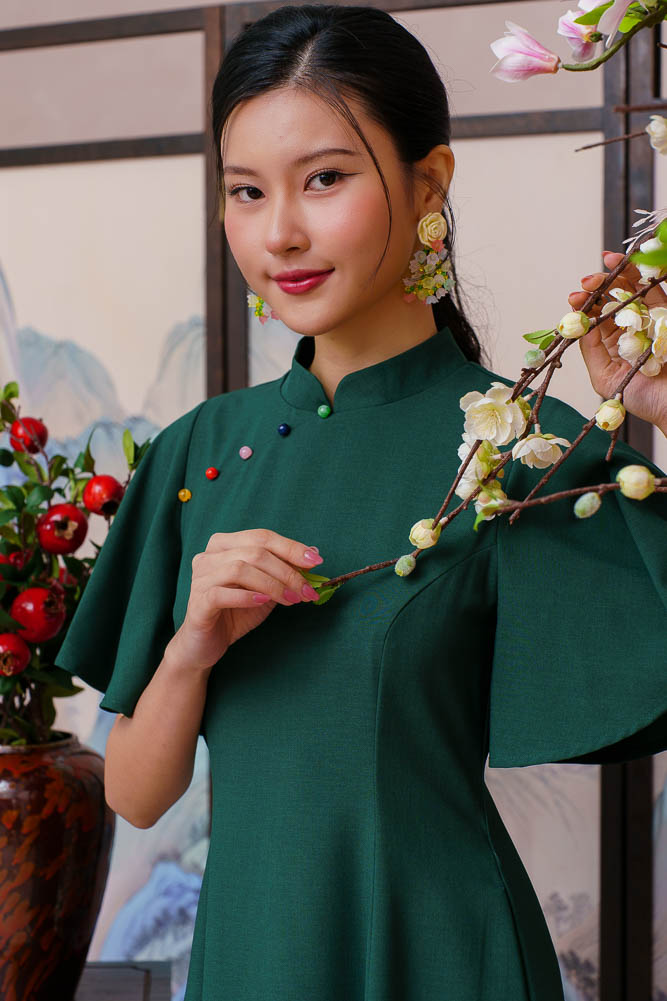
✦ Bloom in a Dream Cheongsam Dress, Red
A beautifully crafted red cheongsam dress, the quintessential auspicious choice for Chinese New Year celebrations, wedding dinners, and festive occasions. |
Gold and Yellow
Gold and yellow carry associations of prosperity, grandeur, and abundance. In contemporary cheongsam dressing, gold and warm yellow remain strong choices for formal banquets and grand celebrations, particularly when paired with rich embroidery or brocade detailing.
Green: Jade and Emerald
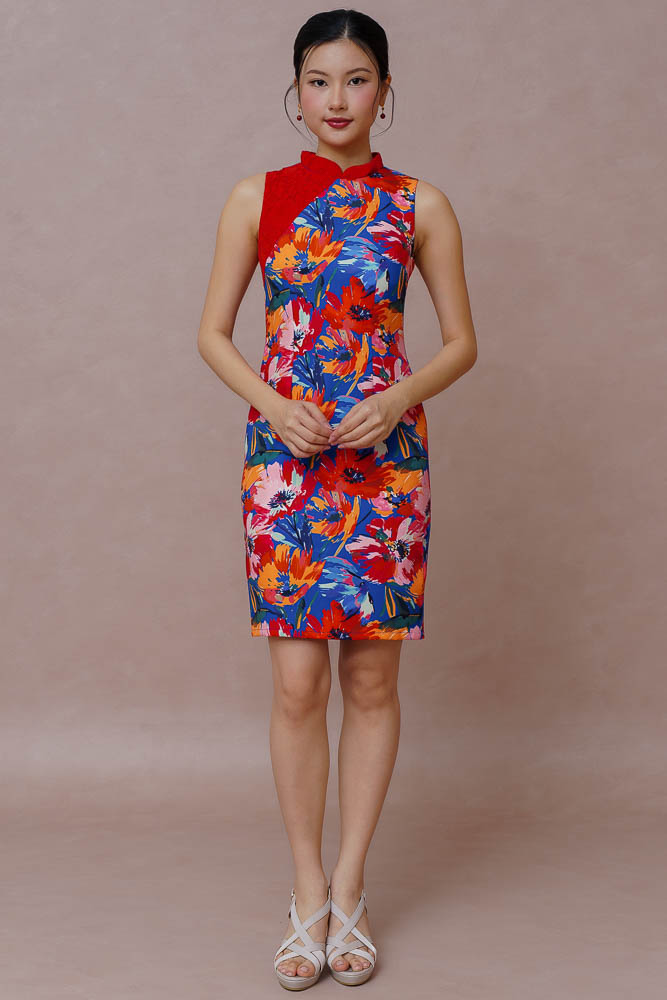
Green, particularly the deep, saturated tones of jade and emerald, symbolises growth, harmony, and vitality. As a cheongsam colour, deep jade and emerald are among the most versatile choices: sophisticated for formal evening wear, beautiful for daytime celebrations, and photographically stunning in warm or natural light.
|
✦ Golden Thread Flutter-Sleeved Cheongsam Dress, Dark Jade
A dark jade cheongsam with flutter sleeves, a sophisticated, culturally resonant colour choice that works beautifully for formal dinners, wedding banquets, and evening celebrations. |
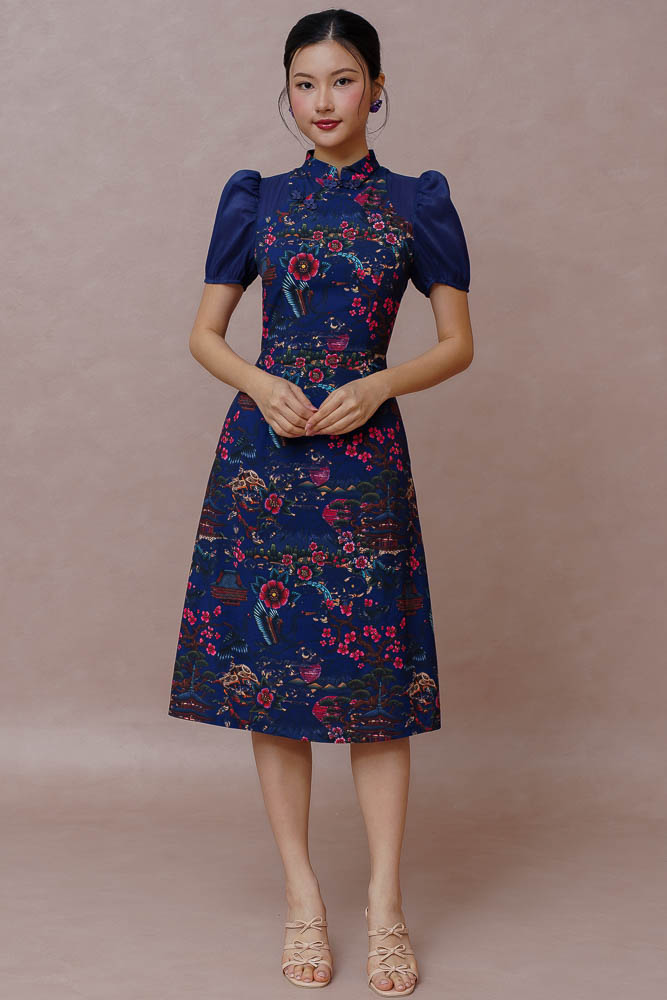
Blue: Navy, Royal, and Sapphire
Blue carries associations of calm, refinement, and confidence. In contemporary cheongsam dressing, deep navy and royal blue have become popular for formal occasions, they photograph with particular depth under evening lighting, and carry a quiet confidence that suits galas, banquets, and sophisticated evening events.
|
✦ Heian Dreamscape Cheongsam Dress, Dark Navy
A deep navy cheongsam with considered detailing, a strong, sophisticated choice for formal evening events where you want to make an impression without relying on traditional red. |
Pink and Blush
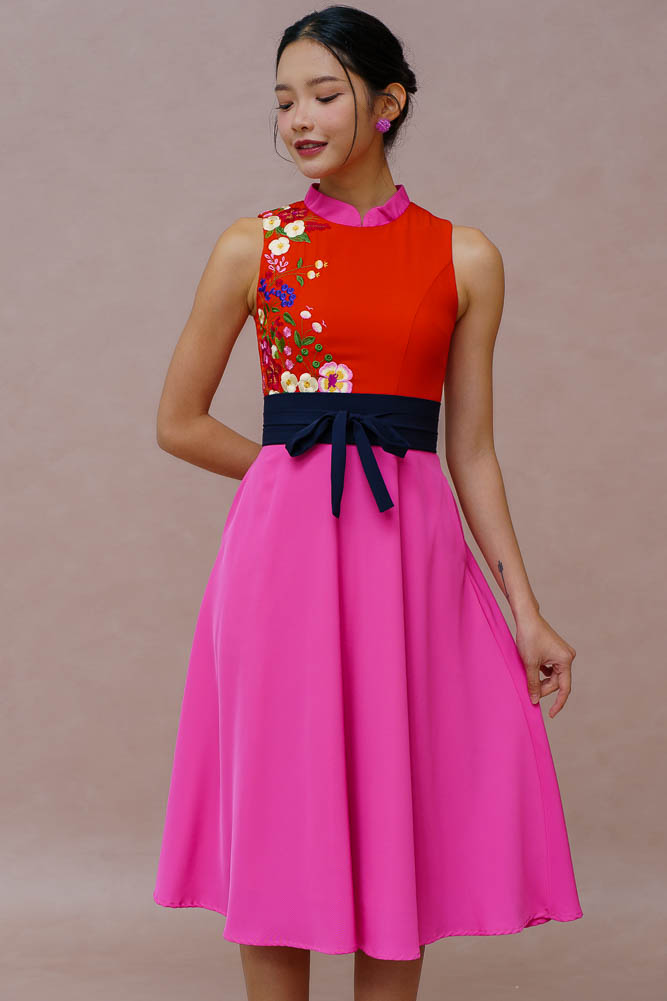
Pink and blush tones carry associations of romance, joy, and softness. They have become a popular contemporary choice for modern brides who want the celebratory spirit of a wedding cheongsam without the formality of traditional red, particularly for a second look or a garden ceremony. For wedding guests, blush and soft pink are lovely choices for daytime or afternoon events.
|
✦ Florea Sonata Embroidery Cheongsam Dress, Crimson Blush
A delicate crimson blush cheongsam with embroidery detailing, an elegant option for modern wedding tea ceremonies or celebratory occasions where soft femininity is the intended mood. |
Black
Black carries associations of prestige, sophistication, and formality in modern cheongsam dressing. A well-made black cheongsam with strong embroidery or textural detail is undeniably elegant and has become entirely accepted at contemporary urban events, formal dinners, and evening receptions.
The cultural nuance worth being aware of: at more traditional Chinese celebrations where older generations are present, all-black carries historical associations with mourning. For a modern urban wedding reception, a gala, or any contemporary formal setting, black is appropriate.
White and Ivory
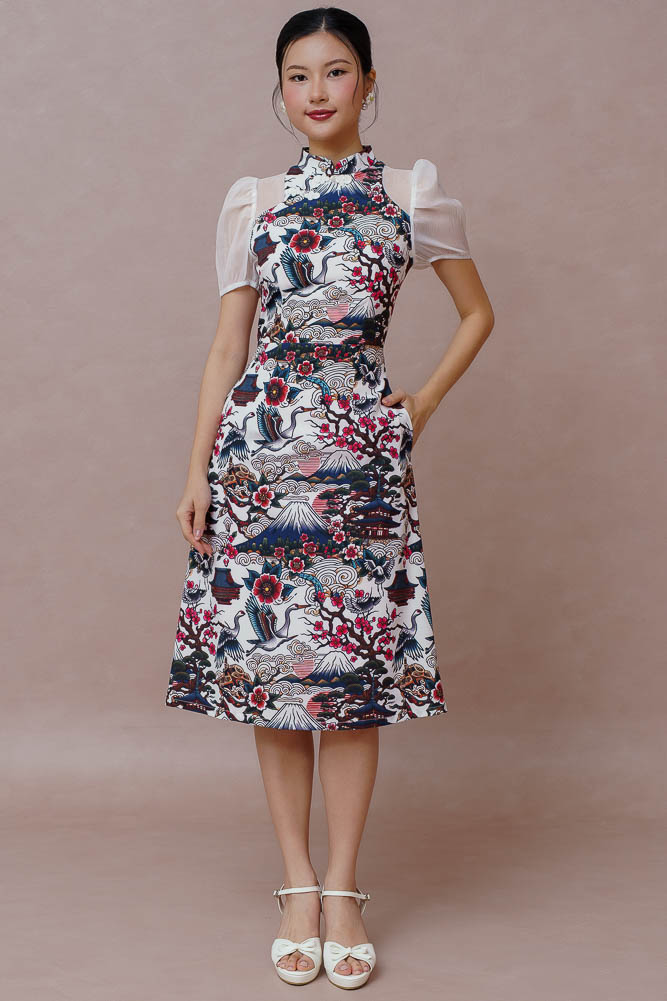
White is traditionally associated with mourning in Chinese culture and is generally avoided at traditional celebrations, particularly where older guests are present. Navigate with context, if there is any uncertainty about the occasion's expectations, choose a different colour with confidence.
That said, white has gained acceptance in contemporary contexts: modern brides wearing white cheongsam for a second look, and chic evening events where the cultural associations are understood by all present.
Also Read: Wearing Cheongsam at a Chinese Wedding: The Do's & Don'ts
Choosing by Occasion: A Practical Guide
Chinese New Year: Red, pink, gold, and warm jewel tones are most fitting. Bright, celebratory hues signal the occasion. Our CNY cheongsam guide goes deeper into styling for the festive season.
Wedding tea ceremony (as bride): Traditional red or gold remains the most resonant choice. Modern brides also choose soft pink, blush, or champagne for a contemporary look that maintains the celebratory spirit.
Chinese wedding (as guest): Festive and auspicious colours are warmly welcomed, red, gold, jewel tones, rich green, deep blue. Avoid all-white and unrelieved all-black at traditional ceremonies.
Formal dinner or gala: Deep jewel tones, midnight navy, black (where appropriate), rich emerald. These read as sophisticated and considered in candlelit evening settings.
Corporate or smart occasion: Mid-toned colours, jade green, slate blue, burgundy, work well. Not too festive, not too sombre.
Daytime or outdoor occasion: Softer tones, pastel blue, blush, mint, warm ivory, photograph well in natural light and feel appropriately light for the setting.
Also Read: How to Care for Your Cheongsam
How Fabric Affects Colour
The same colour reads very differently depending on the fabric, a consideration that is often overlooked in colour selection.
Silk satin amplifies saturation and sheen, a red silk cheongsam is vivid and electric. The lustre picks up light beautifully in photographs and in candlelit settings.
Matte crepe or jersey softens bright colours into more muted, elegant mid-tones. The same deep emerald in a matte fabric reads as quieter and more understated, which may suit a professional or daytime occasion perfectly.
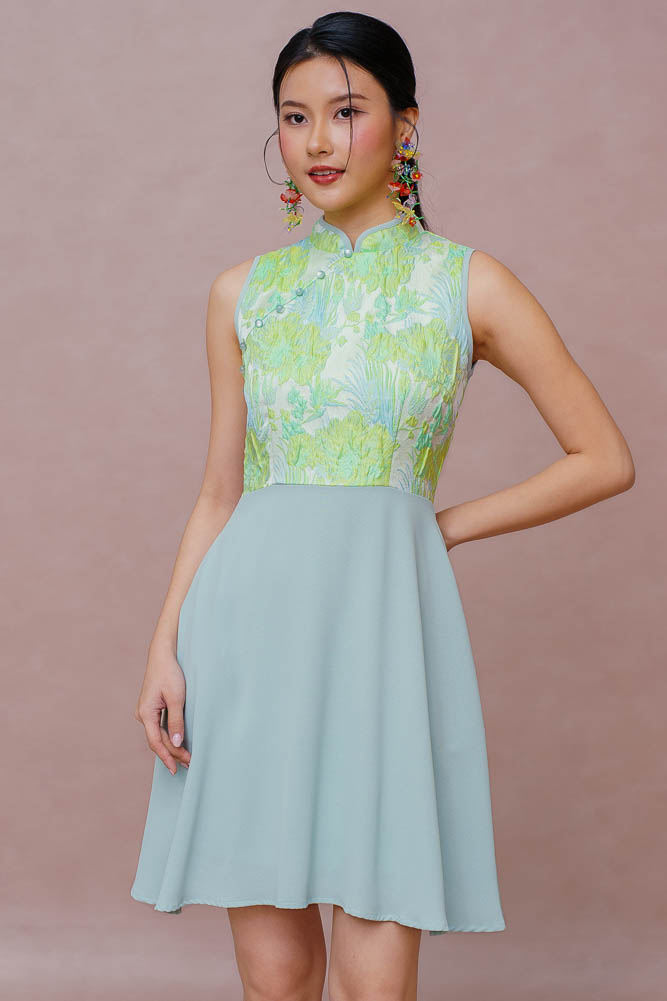
Brocade adds texture and dimension, the metallic threads woven into a brocade cheongsam shift how the base colour reads, creating a layered effect that feels inherently formal.
Lace over a contrasting lining creates a different colour reading from the lace tone alone, a navy lace over a blush lining produces a depth and layering that neither colour achieves independently.
|
✦ Whimsical Wonder Embossed Cheongsam Dress, Sage Green
An embossed cheongsam in sage green, a perfect illustration of how texture transforms a colour. The embossed surface creates depth and dimension, making this a sophisticated choice for daytime formal occasions. |
Choosing Colour for Your Skin Tone
Colour symbolism and occasion context are the primary frameworks, but the most personal decision is how a colour looks against your complexion. These are guidelines, not rules.
Warm complexions (golden, olive, or warm brown undertones) tend to be flattered by warm-toned colours: amber, gold, warm red, coral pink, and rich warm greens. Very cool blues and icy pastels can sometimes wash out warmer undertones.
Cool complexions (pink, rosy, or blue undertones) often suit cool jewel tones beautifully: sapphire, emerald, deep plum, cool jade, and true red.
Deep complexions carry rich, saturated colours luminously, royal blue, deep emerald, crimson, gold, and jewel-toned brocade all look striking. Very pale or muted pastels may lack the contrast to show well.
The honest truth: colour in natural daylight, in lamplight, and in photographs all behave differently. The right cheongsam in the right colour tends to feel immediately obvious when you put it on.
|
✦ Heian Dreamscape Cheongsam Dress, Misty White
A misty white cheongsam, for modern brides, civil ceremony looks, or contemporary evening events where the cultural context makes white an appropriate and intentional choice. |
Colour in cheongsam dressing is part personal expression, part cultural literacy, and once you understand both, the choice becomes intuitive rather than anxious. Explore Faire Belle's cheongsam collection for pieces in a range of hues, from classic celebration reds to sophisticated evening navies and delicate blush tones.