
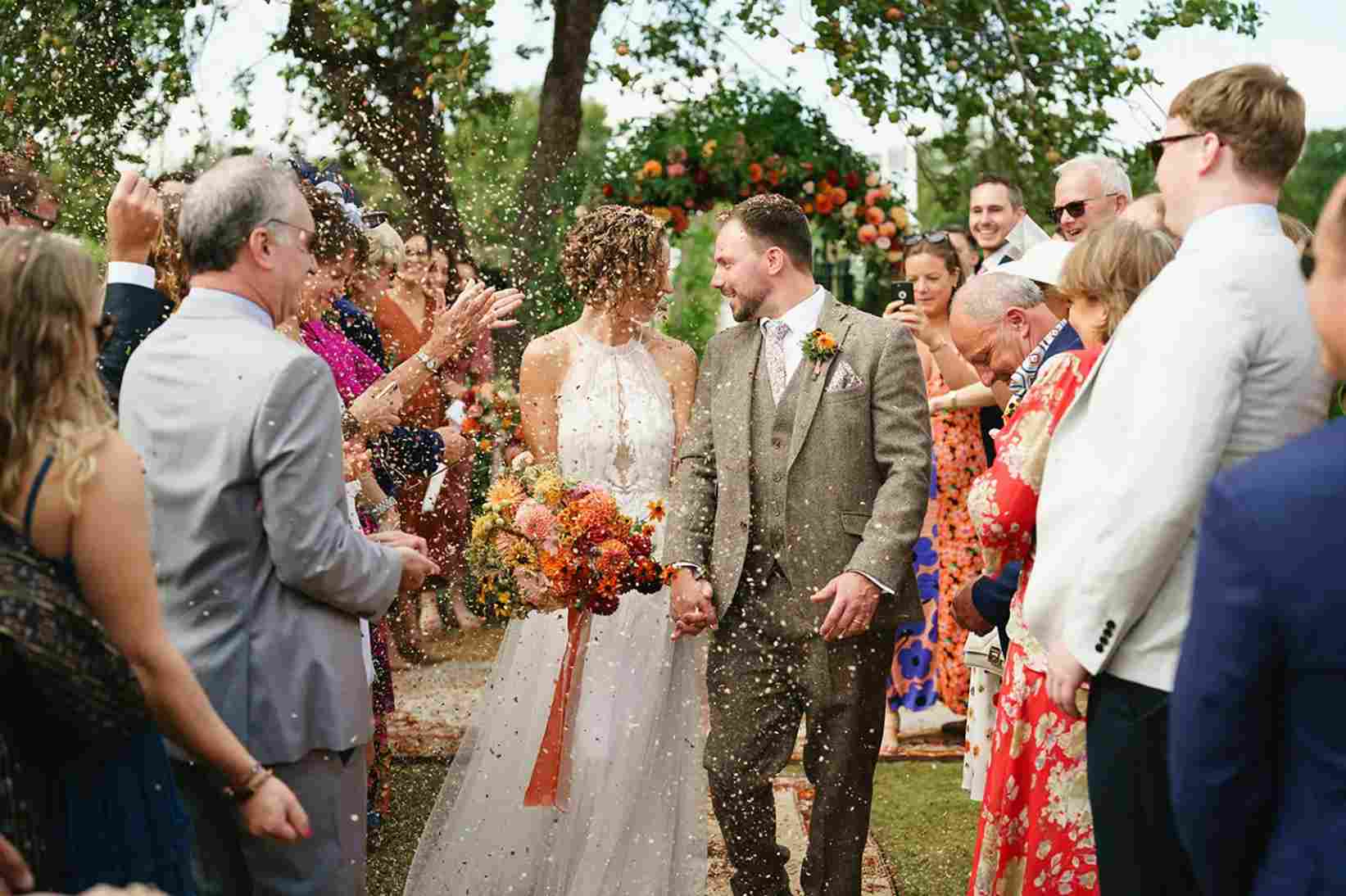
You’ve found the dress. The silhouette is right, the fit feels good, and then you pause. Is this colour too close to white? Is burgundy appropriate for this type of wedding? Would this shade of red be considered too bold, or perfectly festive? If you’ve ever stood in front of your wardrobe running through these questions, you are certainly not alone.
Colour anxiety is one of the most common yet least discussed parts of wedding guest dressing, and most of the advice available online doesn’t make it any easier, it’s either too vague (“just avoid white”) or too Western to be genuinely useful for the kinds of weddings many of us actually attend in Singapore and Malaysia.
This guide is written to change that. Whether you’re attending a Chinese wedding dinner, a Malay reception, an Indian celebration, or a modern civil ceremony, here is a complete, practical breakdown of wedding guest colours, covering the universal rules, the reliable go-tos, the situational nuances, and the cultural context that actually matters. If you’re also figuring out what to wear beyond just the colour, our complete wedding guest dress guide is a good place to start.
The One Colour Rule That Is Truly Universal
Let’s address this first and clearly: white, ivory, cream, and any shade that sits close enough to bridal that it could photograph that way, these are off the table, full stop. This is not an outdated convention. It is a matter of consideration. The bride, or brides, have chosen white as their moment, and arriving in it, even unintentionally, creates an awkward situation for everyone, including you.
The rule extends further than pure white. Very pale champagne, blush-white, and soft off-white tones can all read as bridal under certain lighting or in photographs, even if they look distinctly different to the eye in a dressing room. If you are holding up a dress and genuinely asking yourself whether it looks white, the honest answer is probably yes, and it is worth choosing something else.
The good news is that beyond this one rule, the world of colour is largely yours to navigate. And there is a great deal of beautiful territory to work with.
Colours That Almost Always Work
These are your reliable choices, the colour families that look elegant, photograph well, and translate gracefully across most wedding types and settings.
Navy Blue
One of the most consistently elegant wedding guest colours across all cultures and formality levels. Navy works at cocktail receptions, formal ballroom dinners, and semi-casual afternoon events alike. It is sophisticated without being sombre, and universally flattering across skin tones.
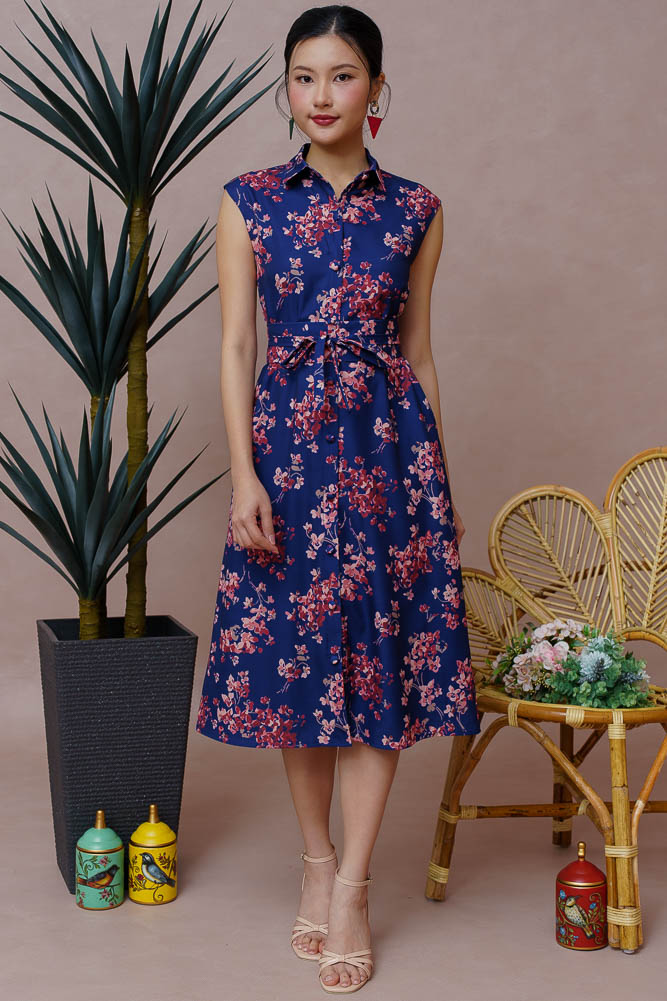
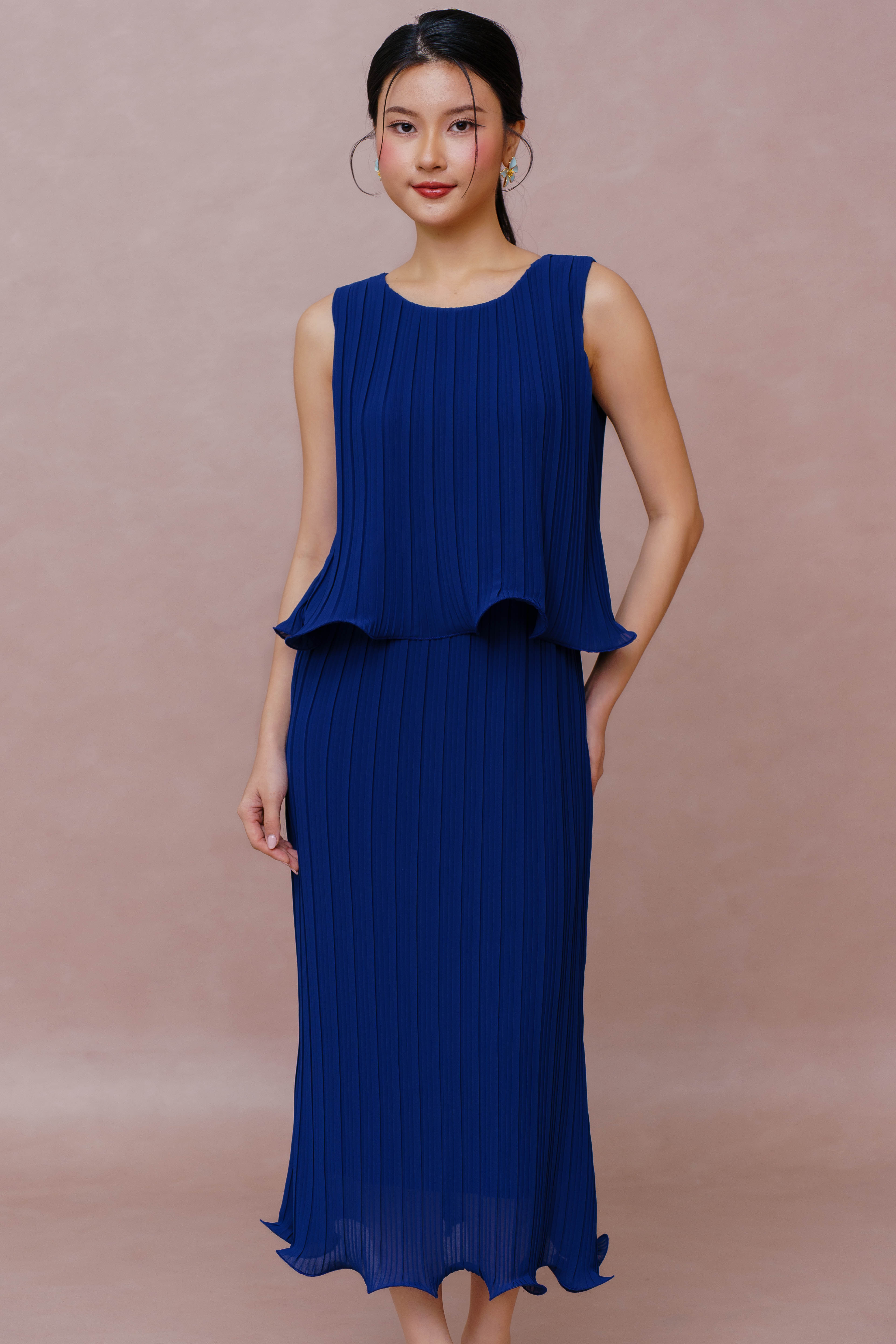
A well-cut navy dress, such as the Loom of Living Flowers Printed Shirt Dress and Esmeralda Curled Hem Pleated Dress in navy blue, carries exactly this kind of quiet confidence that always reads as occasion-appropriate.
Jewel Tones, Emerald, Burgundy, Sapphire, Deep Plum
Rich, saturated colours are among the most beautiful choices for wedding guest dressing. They feel celebratory without being flashy, photograph with depth and warmth, and have a natural sense of occasion that works from garden ceremonies to candlelit evening receptions.
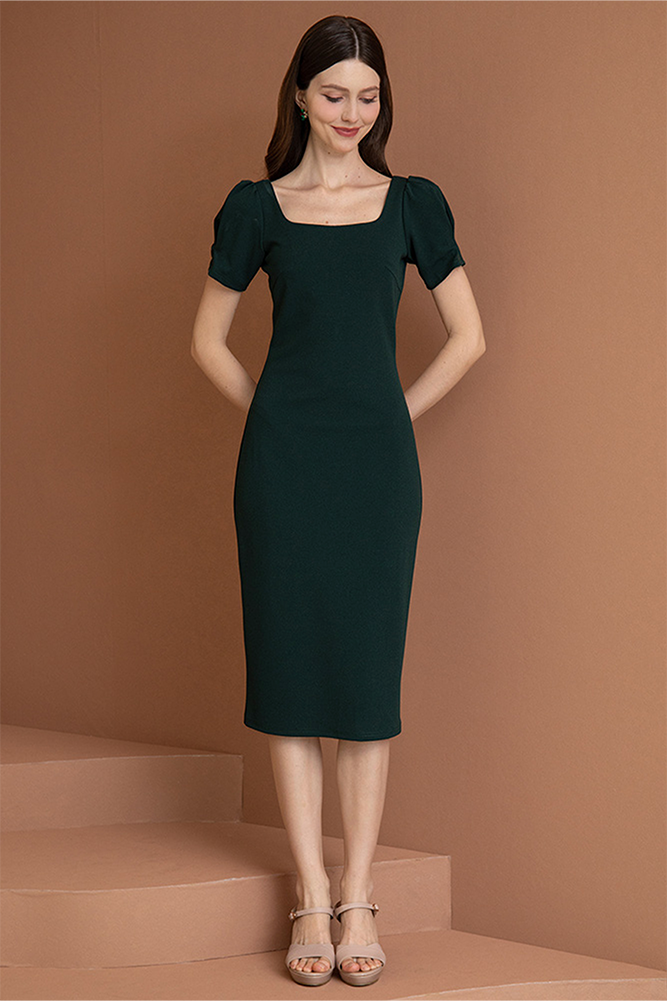
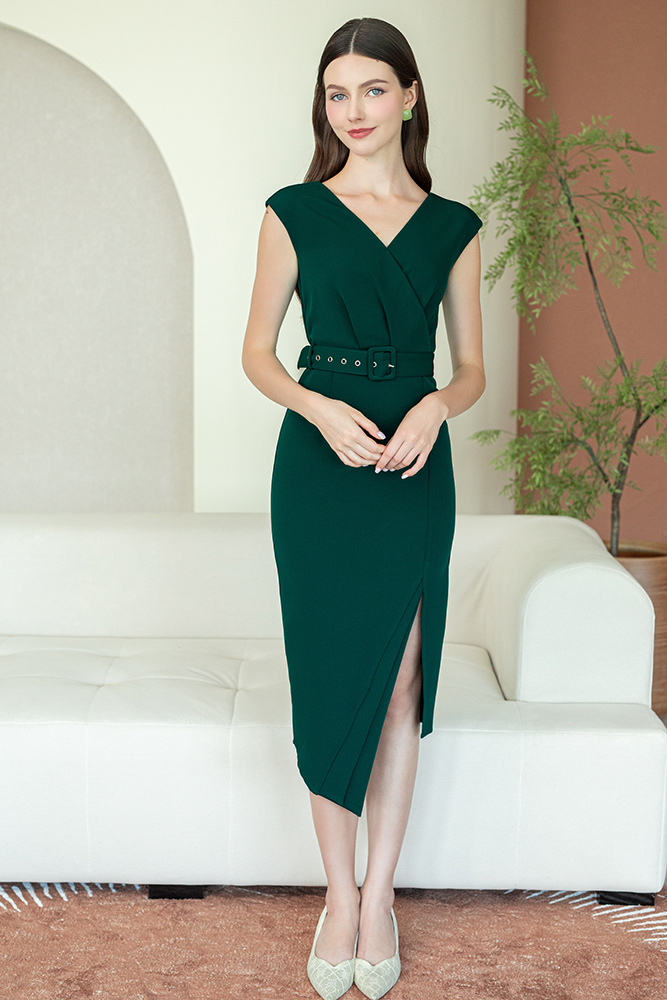
The Lexner Square Neck Dress in Dark Forest Green and the Ritsuka Grandiose Dress in Dark Jade are both beautiful examples of how a deep, considered colour can anchor an entire look. For a curated range of elegant occasion pieces in jewel tones and classic hues, explore our wedding guest dress collection.
Soft Pastels, Blush, Lilac, Sage, Dusty Blue
Soft pastels are a natural fit for daytime weddings, garden ceremonies, and outdoor luncheon receptions. They feel light and feminine without crossing into bridal territory, provided you are steering away from the very palest blush-whites.
Warm Earthy Tones, Terracotta, Rust, Warm Olive, Caramel
These colours are genuinely underrated as wedding guest choices. Warm earthy tones feel grounded and sophisticated, particularly for afternoon and outdoor events where the setting calls for something a little more natural in palette. A rust or terracotta midi dress carries a quiet elegance that photographs beautifully against lush greenery or warm-toned interiors.
Black
Black warrants its own mention because it tends to come with the most conflicting advice. The short answer: black is a classic, entirely appropriate choice for modern and formal Western-style weddings. It is elegant, versatile, and one of the most reliable evening colours available.
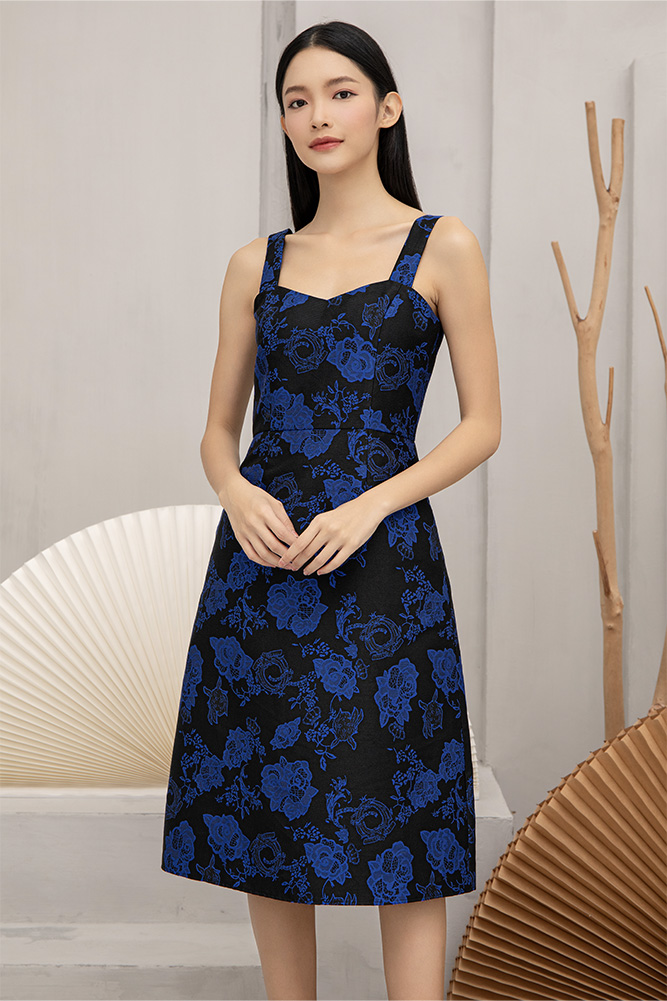
The Briar Embossed Midi Dress in Black is a well-considered example, the embossed texture and refined silhouette elevate it firmly into occasion territory. The cultural nuance around black is worth understanding, however, and we will address that in the section below.
Prints and Florals
Printed and floral dresses are absolutely appropriate for most wedding settings, particularly daytime events, garden ceremonies, and semi-formal receptions where a pattern feels fresh and celebratory rather than casual. The key is that the print should feel occasion-appropriate in scale and fabric. A beautifully constructed floral midi in a quality material reads very differently from a cotton sundress, even if both technically feature a floral pattern.
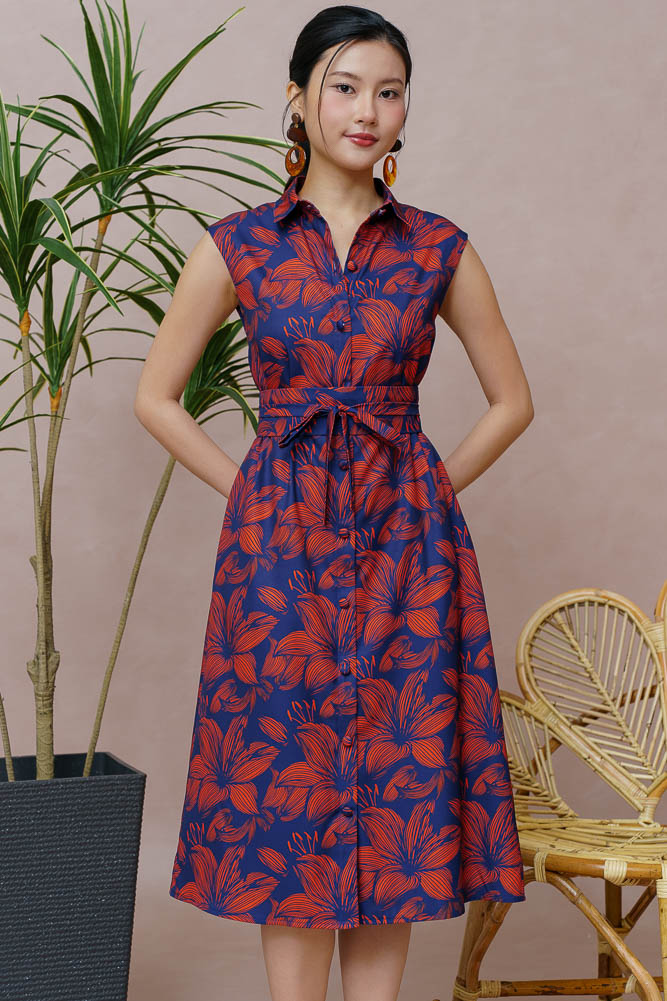
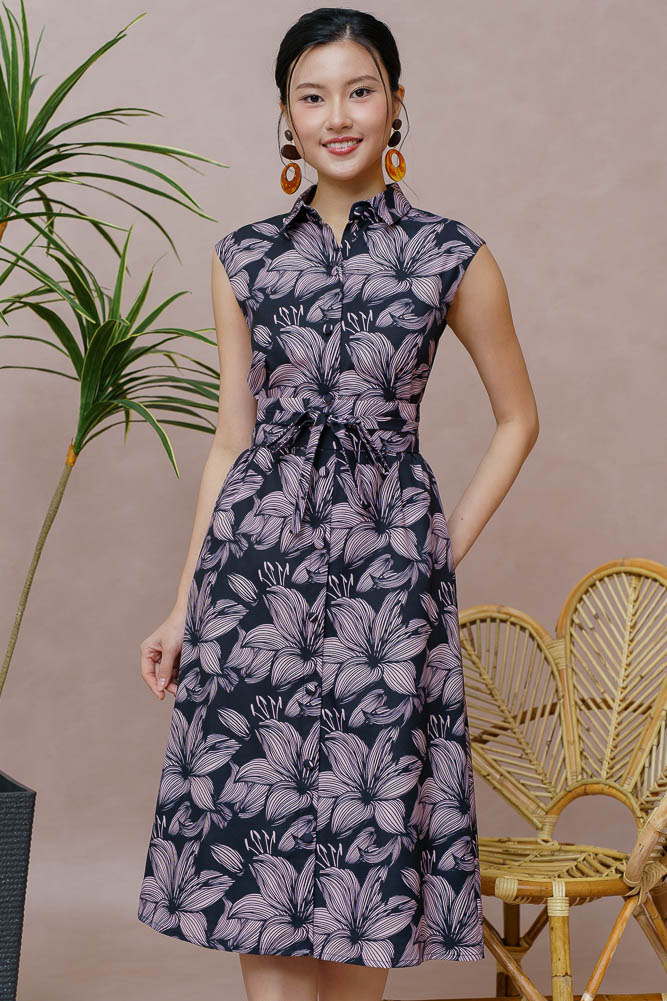
The Buds & Bloom Printed Floral Dress in Dazzling Blue or Onyx Black strikes exactly this balance: soft and romantic in spirit, but confident and distinct in colour. For more inspiration, browse our midi dress collection for styles that blend print and occasion-readiness with ease.
Colours to Approach with a Little More Thought
These are not colours to avoid outright, they simply carry more context depending on the setting, the formality level, and the cultural background of the event.
All-Black
As noted above, all-black is sophisticated and entirely modern for formal Western-style weddings and evening receptions. Where it is worth pausing is at traditional Asian ceremonies, particularly Chinese and Indian celebrations, where all-black can carry associations of mourning.
The guidance here is straightforward: black is almost always a graceful choice at contemporary urban weddings; apply a moment of cultural awareness for more traditional religious or ceremonial settings.
Red
Red is one of the most culturally layered colours to consider as a wedding guest, and the answer depends very much on whose wedding you are attending. In Chinese tradition, red is auspicious and celebratory, wearing it as a guest is not only accepted but welcomed.
For Malay and Western weddings, red is typically a non-issue and reads as a confident, festive choice. The one consideration worth noting: very deep ceremonial reds at Chinese weddings, if you are a close friend or family member, may occasionally overlap with what the couple themselves plans to wear as part of the traditional colour-change custom. A quick, friendly check is always the most considerate move if you are close enough to ask.
Very Bright or Neon Shades
There is nothing inherently wrong with a bold, vibrant colour, the question is whether it suits the setting and formality of the event. A vivid coral at a garden luncheon feels joyful and appropriate; the same shade at a candlelit ballroom dinner may feel a little out of step with the atmosphere. Read the venue, the time of day, and the formality level, and let those cues guide your decision.
Head-to-Toe Metallics
Gold, silver, and bronze can be genuinely stunning at formal evening receptions and black-tie events. At daytime or more relaxed weddings, a fully metallic look can tip into over-dressed territory. The more elegant approach is often to introduce a metallic element through accessories, a gold clutch, silver shoes, or embellished detail, rather than committing head-to-toe.
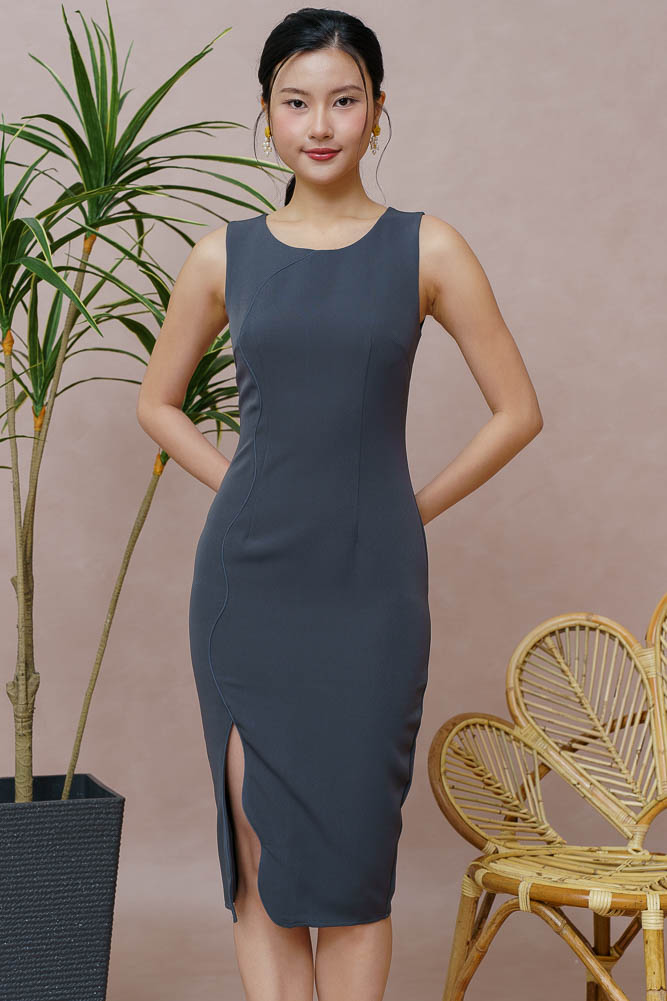
If you are drawn to something with a subtle metallic quality built into the fabric, the Octavia Wavy Slit Dress in Cool Gray offers that kind of considered shimmer without tipping into full evening-gown territory.
Cultural Colour Etiquette, What Is Worth Knowing
This is the section that most Western fashion guides simply do not write, and it is precisely where this guide aims to be genuinely useful. In Singapore and Malaysia, many of us attend multicultural weddings throughout our lives, and colour etiquette does carry real meaning at traditional ceremonies. Understanding this context is not about memorising a set of strict rules. It is simply about being a thoughtful, considerate guest.
Chinese Weddings
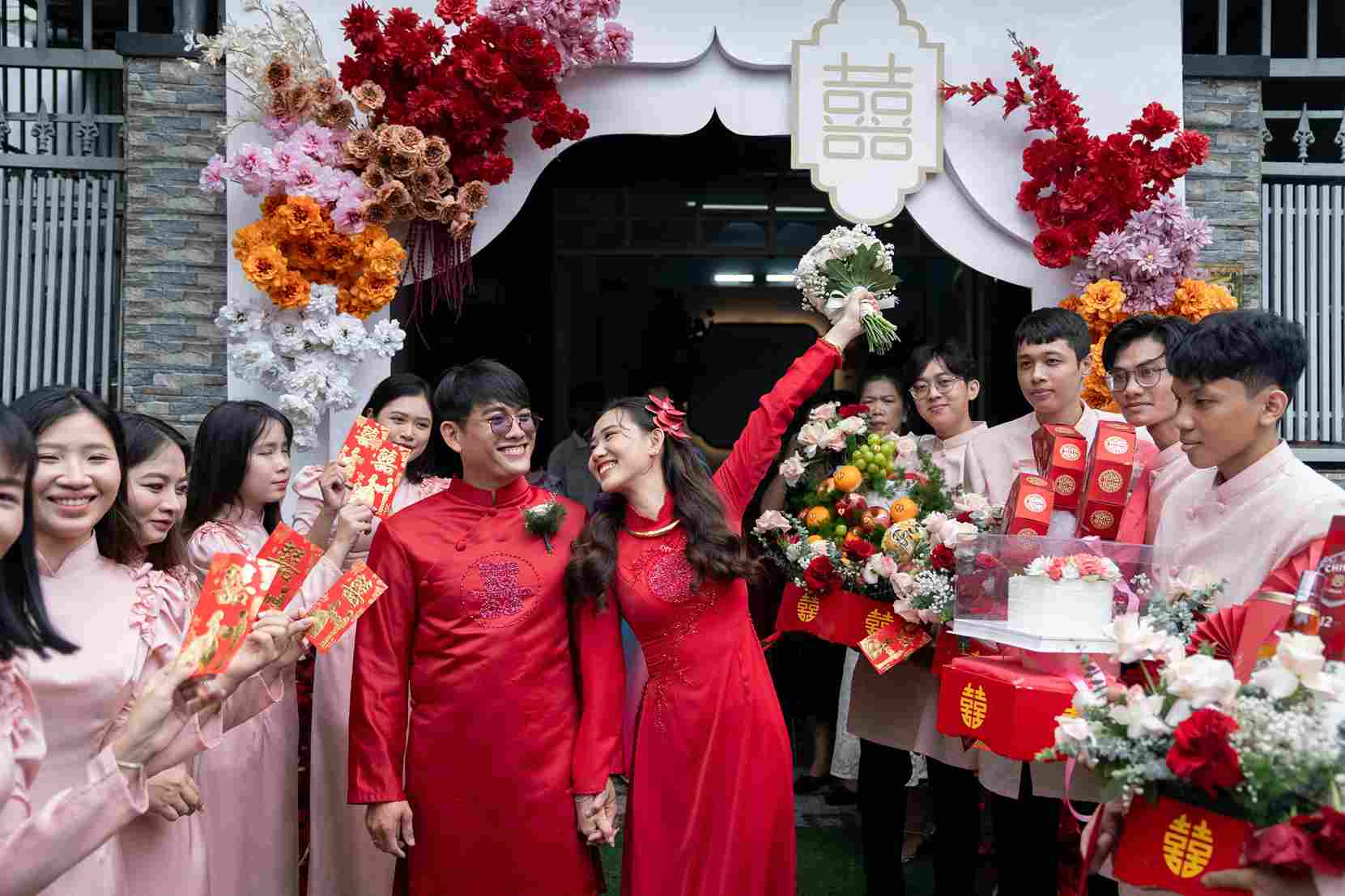
White and black are traditionally associated with mourning in Chinese culture, which means all-white or very stark, unrelieved black outfits are best avoided at traditional Chinese wedding ceremonies and dinner receptions.
This is particularly relevant at the ceremony itself. Red and gold, by contrast, are auspicious colours and are warmly welcomed, wearing red as a guest is absolutely appropriate and carries positive meaning.
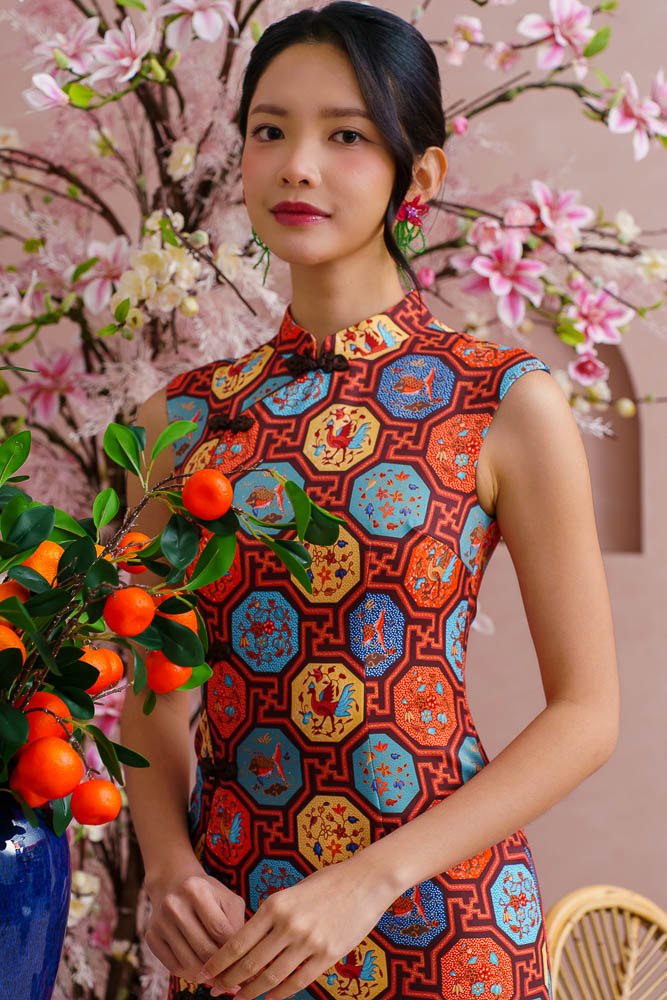
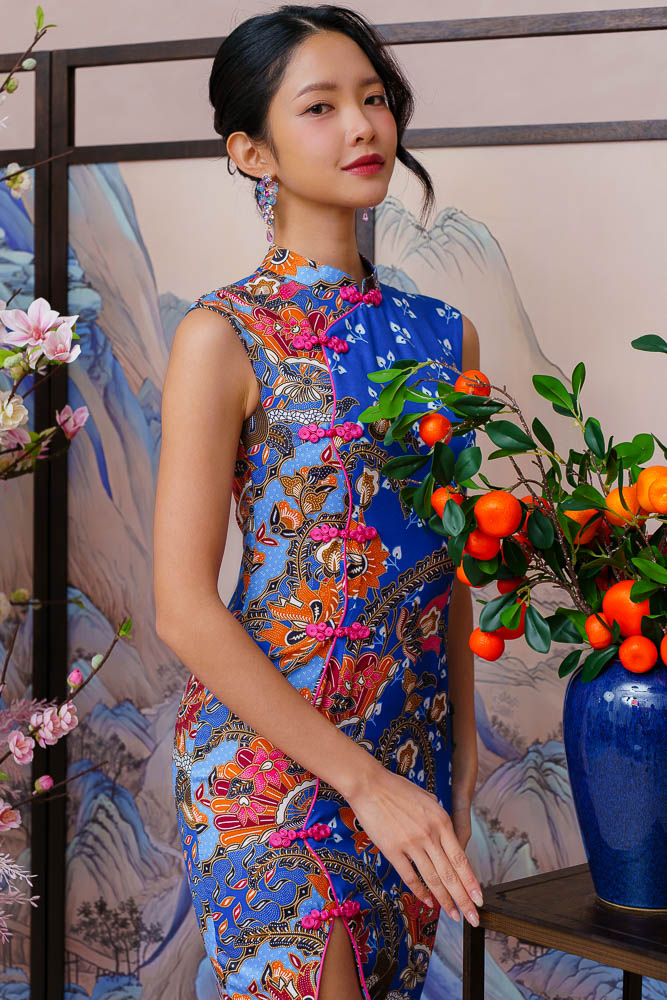
Bright, festive colours in general are a lovely fit for the celebratory spirit of a Chinese wedding dinner. If you are considering a cheongsam for the occasion, our Dream of a Thousand Mansions Batik Cheongsam Dress and The Golden Blossoms Batik Cheongsam Dress Royal could your perfect wedding guest dress. Check our guide on wearing a cheongsam to a Chinese wedding that covers the nuances in detail.
Malay Weddings
Malay weddings are typically joyful, colourful, and celebratory in spirit, and vibrant attire is genuinely embraced. There is generally no strict “do not wear this colour” rule, but modest and occasion-appropriate styling is appreciated, particularly for the bersanding or ceremony portions of the event.
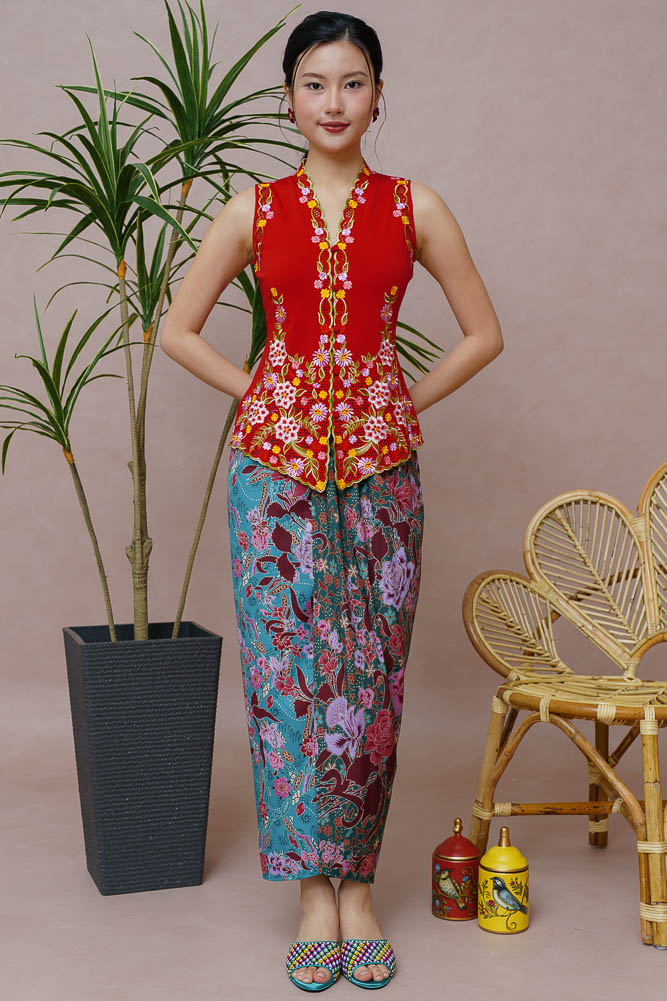
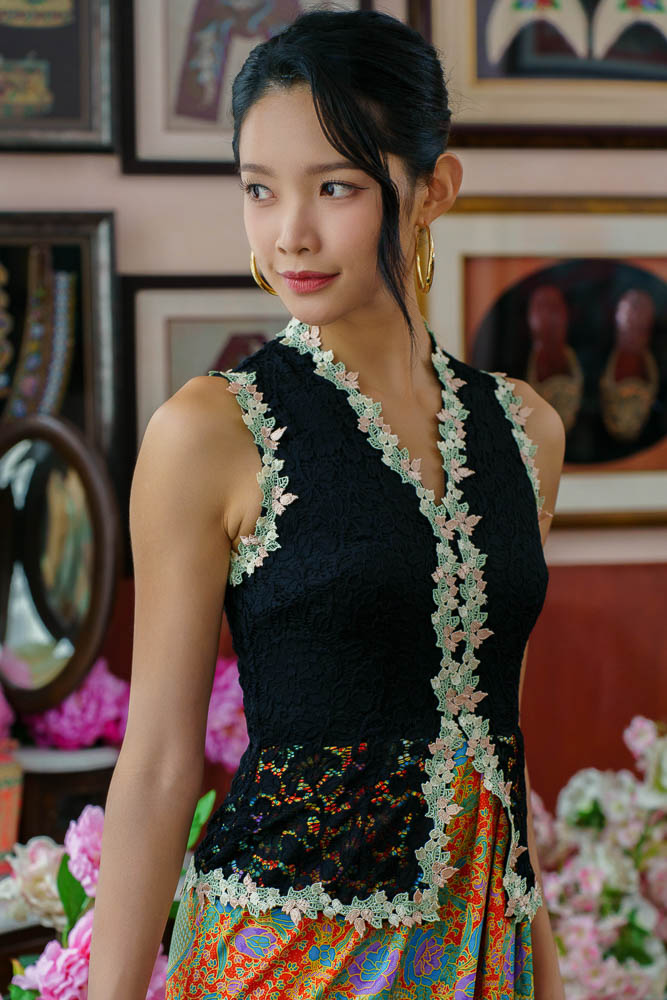
Very muted or washed-out tones can occasionally feel underdressed for the festive nature of the occasion, lean into colour with confidence. A beautifully styled batik piece or a richly coloured kebaya-inspired look, such as the Kinshasa Batik Nyonya Skirt in Teal Green or Song of the Dayang Lace Kebaya Dress Classic, is always a graceful and culturally resonant choice.
Indian Weddings
As with Chinese weddings, white carries mourning associations in many Indian cultural traditions and is best avoided. All-black is also traditionally less favoured. Indian weddings are celebrations in the fullest sense, bright, jewel-toned, and deeply festive colours are not just acceptable but genuinely welcomed. Your outfit should feel like it belongs to a celebration, and it absolutely can.
Western, Civil, and Interfaith Weddings
The primary rule here is the universal one: avoid white and any shade that could photograph as bridal. Beyond that, colour choices are generally very open. This is where black, styled well, is unquestionably appropriate, and where the full range of jewel tones, prints, and pastels all have their place.
The practical takeaway across all of these: when attending a traditional ceremony from a culture that is not your own, a moment of research or a friendly message to a mutual friend is always a kind and thoughtful gesture. It is not about navigating a minefield, it is simply about showing care. And when you are genuinely uncertain, a rich jewel tone is almost universally appropriate across all of the above.
How to Use Colour to Actually Elevate Your Look
Beyond understanding what is appropriate, colour is one of the most powerful styling tools available to you as a wedding guest. The right colour in the right context does not just pass the test, it makes a simple silhouette feel remarkable.
- Consider the setting and time of day. Lighter, softer colours feel entirely natural in daytime and outdoor settings, where the light is warm and the atmosphere is relaxed. Deeper, richer tones come alive in candlelit evening receptions, a midnight navy or a deep emerald looks entirely different under soft evening lighting than it does at midday. Matching your colour to the atmosphere of the event is one of the simplest and most effective styling choices you can make.
- Consider your own colouring as well. Jewel tones, deep emerald, burgundy, sapphire, and dark jade, are widely flattering and feel luxurious in photographs. If you have been drawn to something like the nyonya kebaya or batik dress and are uncertain whether it will suit the occasion, the answer often lies in how you accessorise and layer, a rich floral clutch or warm-toned jewellery can bring an entirely different feeling to the same piece.
- Use colour to do the work your accessories cannot. A beautiful, well-chosen colour in a clean silhouette often makes more impact than an overly embellished dress in a safe neutral. Confidence in colour is its own kind of elegance.
- And finally, do not overthink it. If you love the colour, it fits well, it suits the formality of the event, and it is not white, you are already in a very good place. The best outfit is always the one you feel genuinely, effortlessly good in.
Find the Colour That Makes You Feel Effortlessly Occasion-Ready
Colour choice for weddings is far simpler than it can feel in the moment. Avoid white in all its variations, take a moment to consider the cultural context of the event, and choose something that makes you feel like the most polished, confident version of yourself. Beyond that, the palette is largely yours.
Looking for a starting point? Explore our curated wedding guest dress collection, from rich jewel tones and deep emerald greens to soft florals and classic neutrals, each piece is designed with exactly this kind of celebration in mind. There is a shade and a silhouette for every wedding on your calendar.
Frequently Asked Questions
What is the best colour to wear to a wedding as a guest?
There is no single best colour, but jewel tones, emerald, burgundy, and deep sapphire, are consistently elegant and appropriate across most wedding types and cultures. Navy is one of the most universally flattering and reliable choices. Soft pastels work beautifully for daytime and outdoor weddings. The most important rule is to avoid white and any shade that could photograph as bridal.
What colours should wedding guests avoid?
White, ivory, cream, and very pale champagne or blush tones that can read as white in photographs are universally off-limits, these are reserved for the bride. Cultural context also matters: all-white and stark black are best avoided at traditional Chinese and Indian ceremonies, where these colours carry associations with mourning. Very neon or distracting shades are generally better suited to less formal occasions.
Can I wear black to a wedding?
Yes, black is a classic, sophisticated choice for evening, formal, and modern Western-style weddings. However, at some traditional Asian ceremonies, particularly Chinese and Indian weddings, all-black can carry mourning connotations. It is worth considering the cultural context of the specific event before going entirely head-to-toe black. A black dress with warm accessories or a statement piece often strikes a beautiful middle ground.