
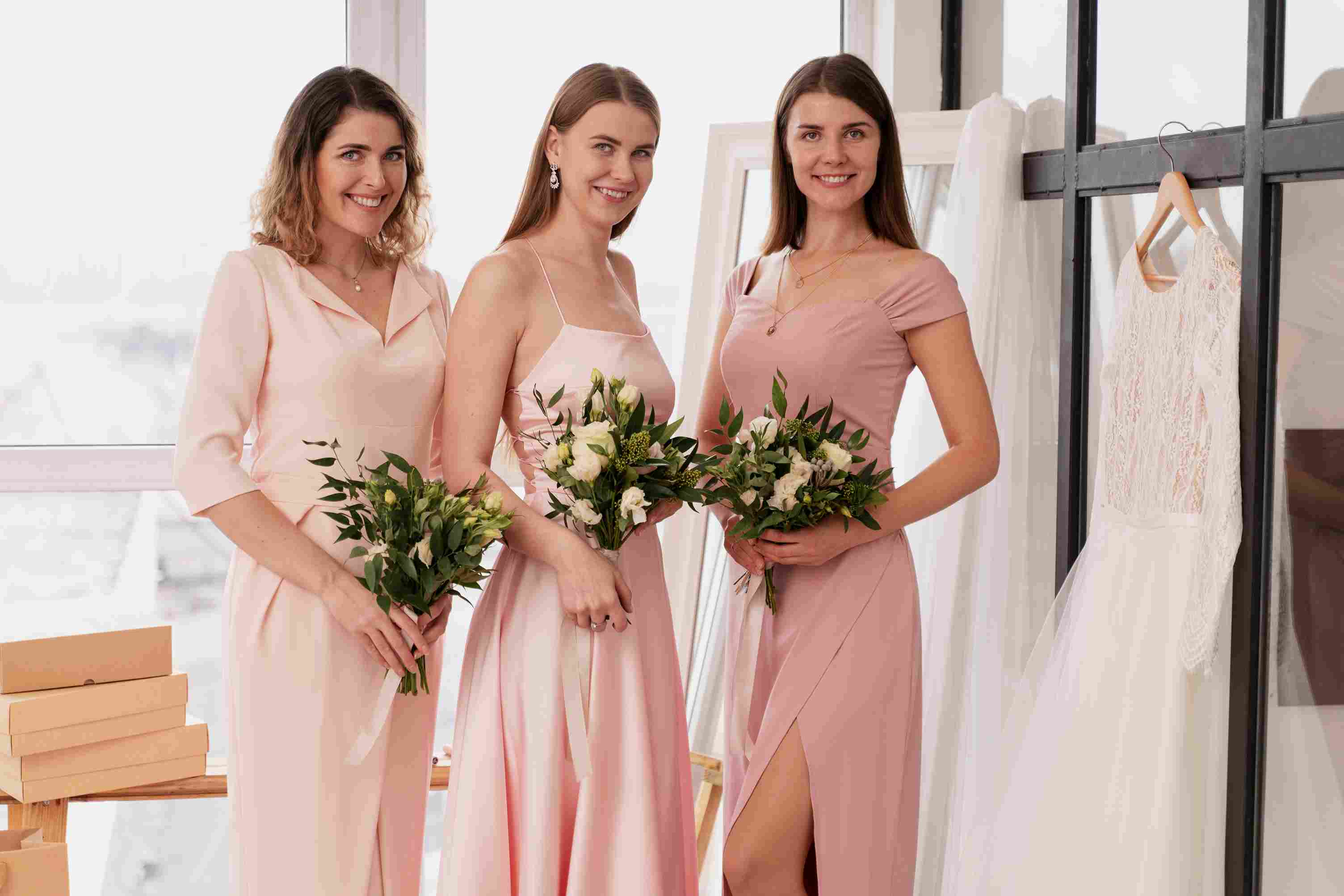
The invitation has arrived, the date is marked in your calendar, and now comes the question that sends most guests straight into wardrobe panic: what do I actually wear? And if the invite does include a dress code, it often raises more questions than it answers, does “Smart Casual” mean a nice blouse, or a full dress? Is a jumpsuit acceptable? Can you wear black?
Here’s the truth: getting wedding guest dressing right is far simpler than it seems. It’s really about reading the occasion correctly, choosing something that feels polished and appropriate, and picking a piece you’ll genuinely want to wear again. This guide walks you through exactly that, from decoding the dress code to choosing the right silhouette for every type of wedding, so you can arrive confident, comfortable, and looking your best.
Start Here, Read the Dress Code (Or the Clues If There Isn’t One)
Most wedding invitations include a dress code, and while it might feel like a formality, it’s genuinely the most useful piece of information you have. Here’s a quick breakdown of the most common ones:
- Black Tie: Floor-length gowns or very formal midi dresses. This is the most elevated level, treat it seriously.
- Formal / Black Tie Optional: Long or elegant midi dresses, dressy jumpsuits, or sophisticated separates. You have more flexibility here, but the standard remains high.
- Semi-Formal / Cocktail Attire: Knee-length to midi dresses, elegant jumpsuits, or a polished blouse with tailored trousers. The sweet spot for most weddings in Singapore.
- Smart Casual: A well-cut midi dress, a flowy printed dress, or a neat blouse with wide-leg trousers. Stylish and relaxed, but never sloppy.
- Casual: A sundress, a smart wrap dress, or a nice co-ord set. Keep it tidy and intentional even if the setting is relaxed.
If there’s no dress code on the invitation, which happens more often than you’d think, let the venue and timing guide you. A 7pm ballroom reception at a hotel calls for something far more dressed up than a 3pm garden ceremony. When in doubt, lean slightly more formal. It’s always better to be the best-dressed guest in the room than to feel underdressed.
What to Wear for Each Type of Wedding
Dress codes are a starting point, but the setting and format of the wedding are what really shape your outfit decision. Here’s how to dress for each type.
1. The Formal Evening Reception (Ballroom or Hotel)
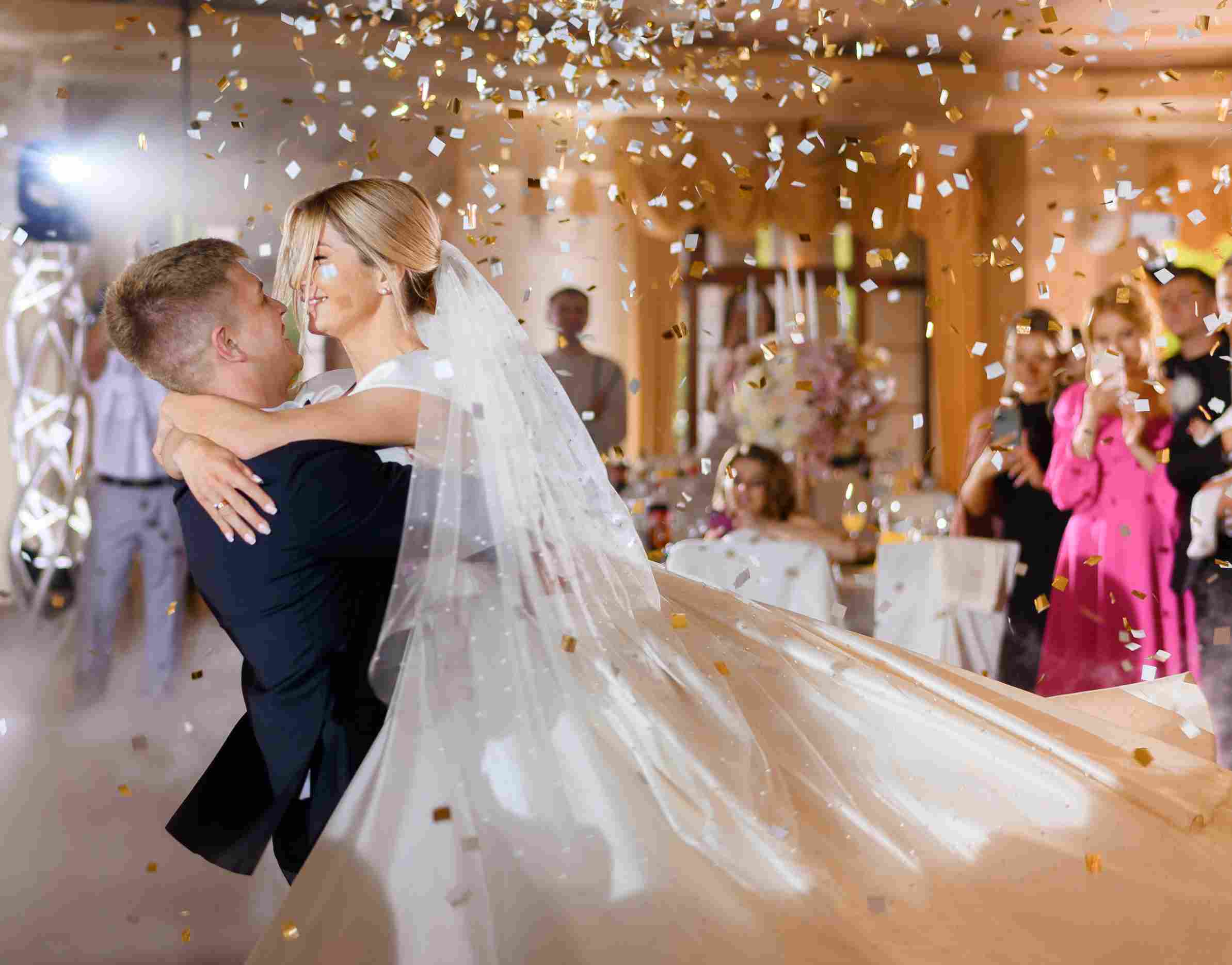
This is the most common wedding format in Singapore and Malaysia, a dinner reception held at a hotel ballroom or function hall. The setting is polished, the lighting is warm, and the expectation is that guests show up looking occasion-ready.
Elegant midi dresses, floor-grazing maxi dresses, and dressy jumpsuits all work beautifully here. Look for fabrics that read “occasion”, chiffon, satin, lace, and embroidered materials all hit the right note. Structured blouses paired with wide-leg tailored trousers are also a sophisticated option if you prefer separates.
What to avoid: overly casual fabrics like cotton sundresses or denim, and silhouettes that feel more everyday than celebratory. Save the bodycon and the strapless mini for a different occasion.
For a curated selection of dresses suited to formal evening receptions, explore our wedding guest occasion dresses, designed with exactly this type of celebration in mind.
2. The Garden or Outdoor Ceremony
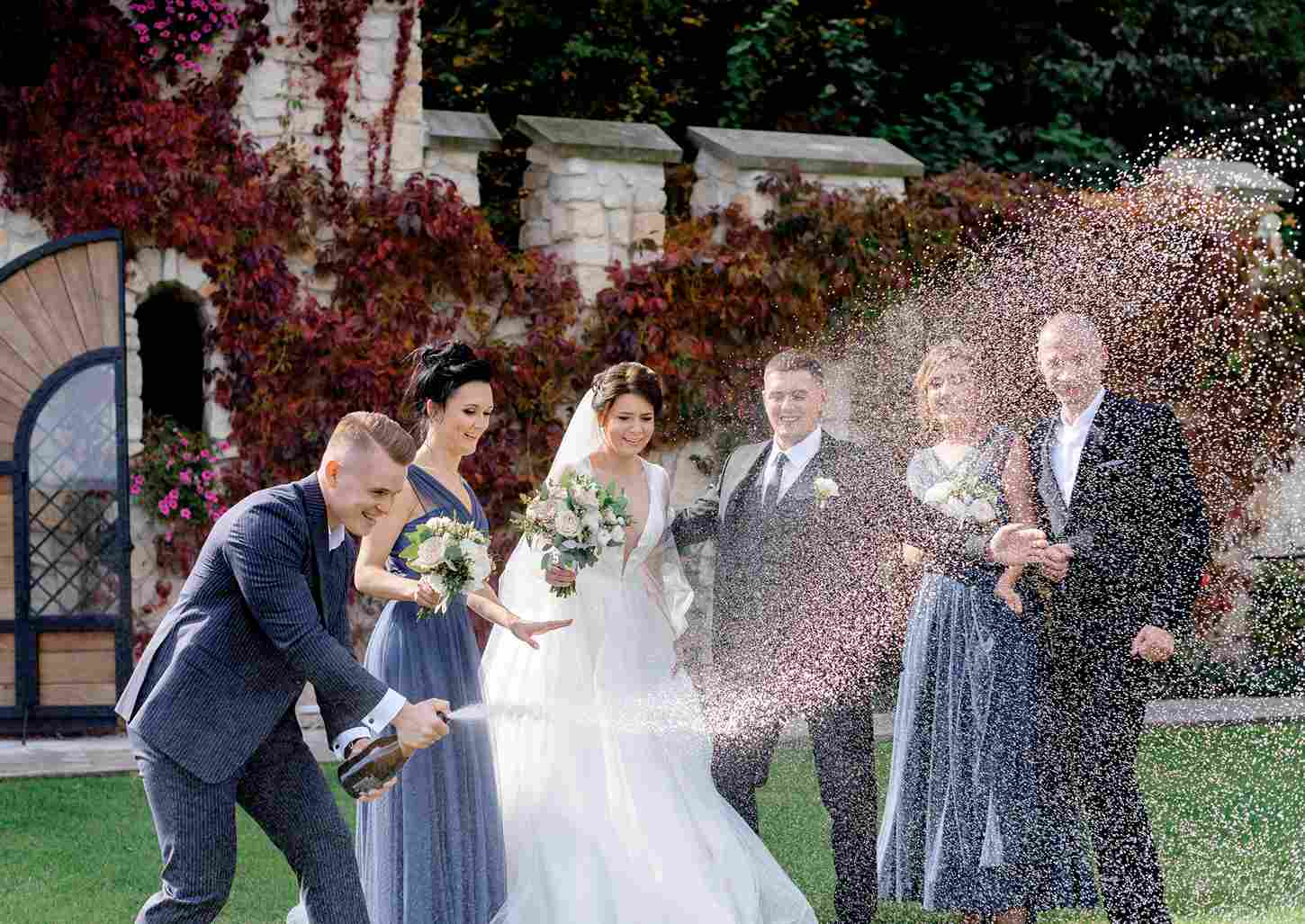
Garden weddings are romantic and beautifully relaxed, but they come with their own practical considerations, especially in Southeast Asia’s warm, humid climate.
Flowy midi and maxi dresses are ideal here. Printed styles, soft wrap dresses, and feminine silhouettes that move naturally in the breeze all work wonderfully. Breathable fabrics like chiffon and soft satin will keep you comfortable through a daytime outdoor ceremony in a way that heavy structured fabrics simply won’t.
A practical note on footwear: stilettos and thin heels are not your friends on grass. Block heels, wedges, or elegant flat sandals are a far smarter choice, and you’ll thank yourself for it by the end of the day.
If you’re looking for something light and effortlessly polished, our midi dress collection has a range of styles that transition beautifully from outdoor ceremony to indoor reception.
Read Also: Maxi Dress vs. Midi Dress: What’s the Difference?
3. The Beach or Destination Wedding
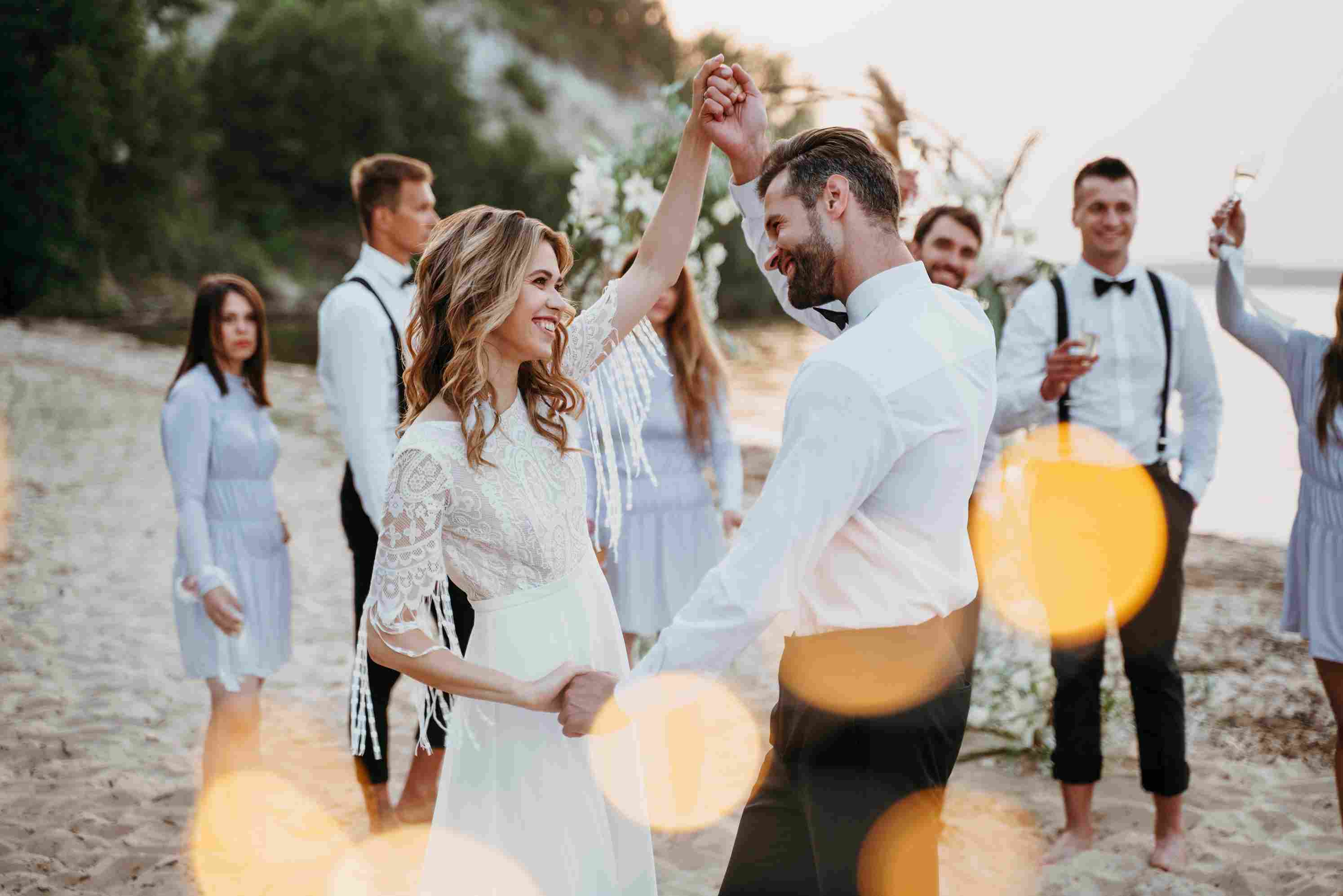
Beach and destination weddings are the most relaxed in terms of dress code, but “casual” doesn’t mean anything goes. The goal is still to look polished and occasion-appropriate, just with a lighter, more relaxed approach.
Breezy maxi dresses are the standout choice for this setting, they look elegant, move beautifully, and feel comfortable in open-air environments. Elegant jumpsuits and relaxed yet refined sundresses also work well. What doesn’t work: anything too formal (a floor-length ball gown on sand is a practical disaster), anything too tight, or hemlines that are too short for the relaxed-but-respectful tone of the occasion.
For footwear, flat sandals, block heels, or wedges are your best options. For outfit inspiration, browse our maxi dress collection for styles that feel effortlessly dressed-up without being overdone.
4. The Daytime or Luncheon Wedding
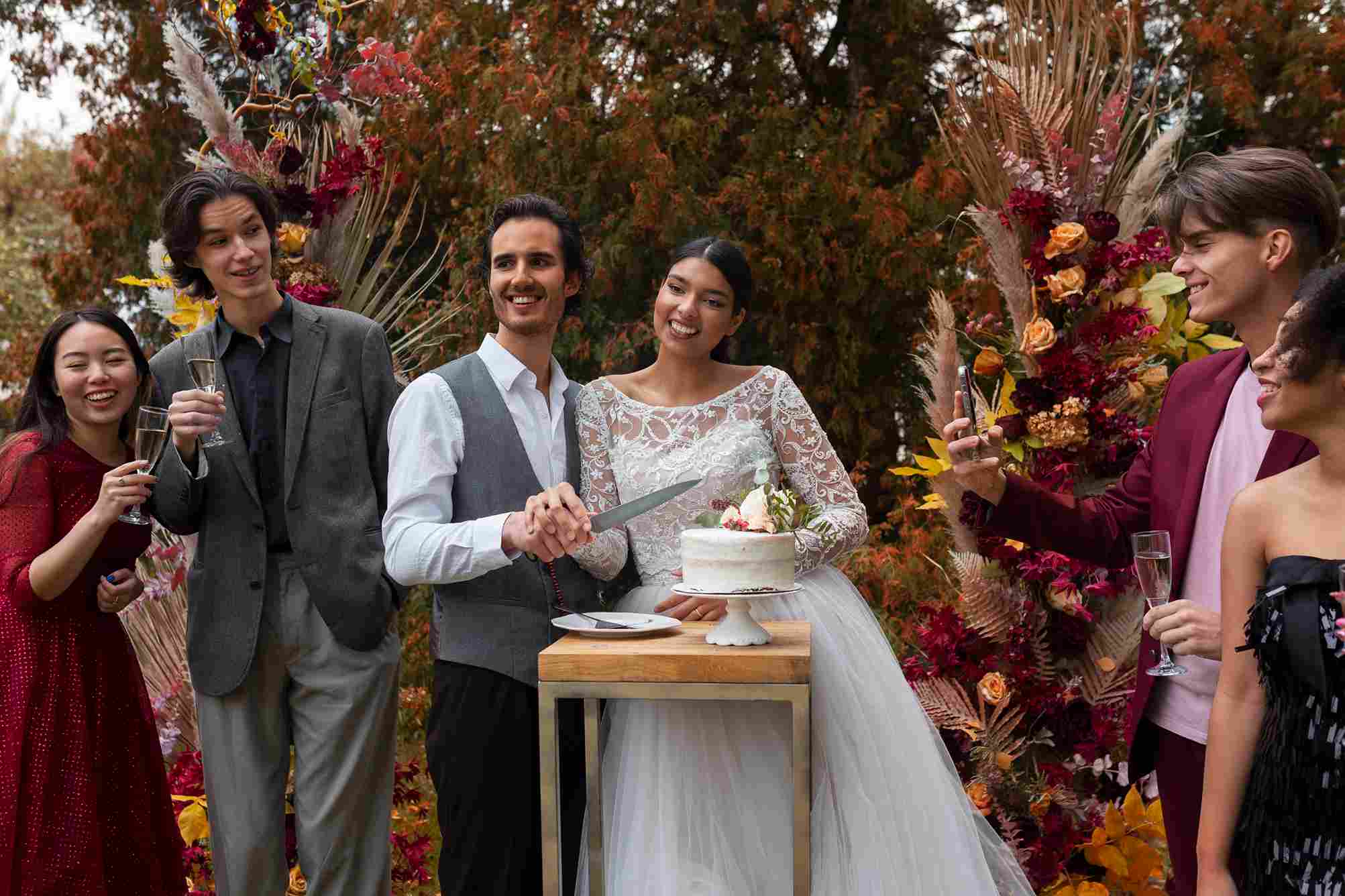
Daytime weddings and luncheon receptions call for a slightly different energy, they’re less formal than an evening dinner reception, but still very much an occasion.
Cocktail-length and midi dresses hit the right note here, as do elegant feminine separates, a well-cut blouse with a midi skirt or tailored trousers reads sophisticated without feeling overdone. This is also where you have more freedom with colour and print: florals, soft pastels, and bold jewel tones all feel at home at a daytime celebration.
One thing to avoid: floor-length formal gowns. A full-length ballgown at a 12pm luncheon wedding will feel out of place, no matter how beautiful it is. Save it for the evening affairs and let something lighter take centre stage.
5. The Cultural Wedding, A Quick Note
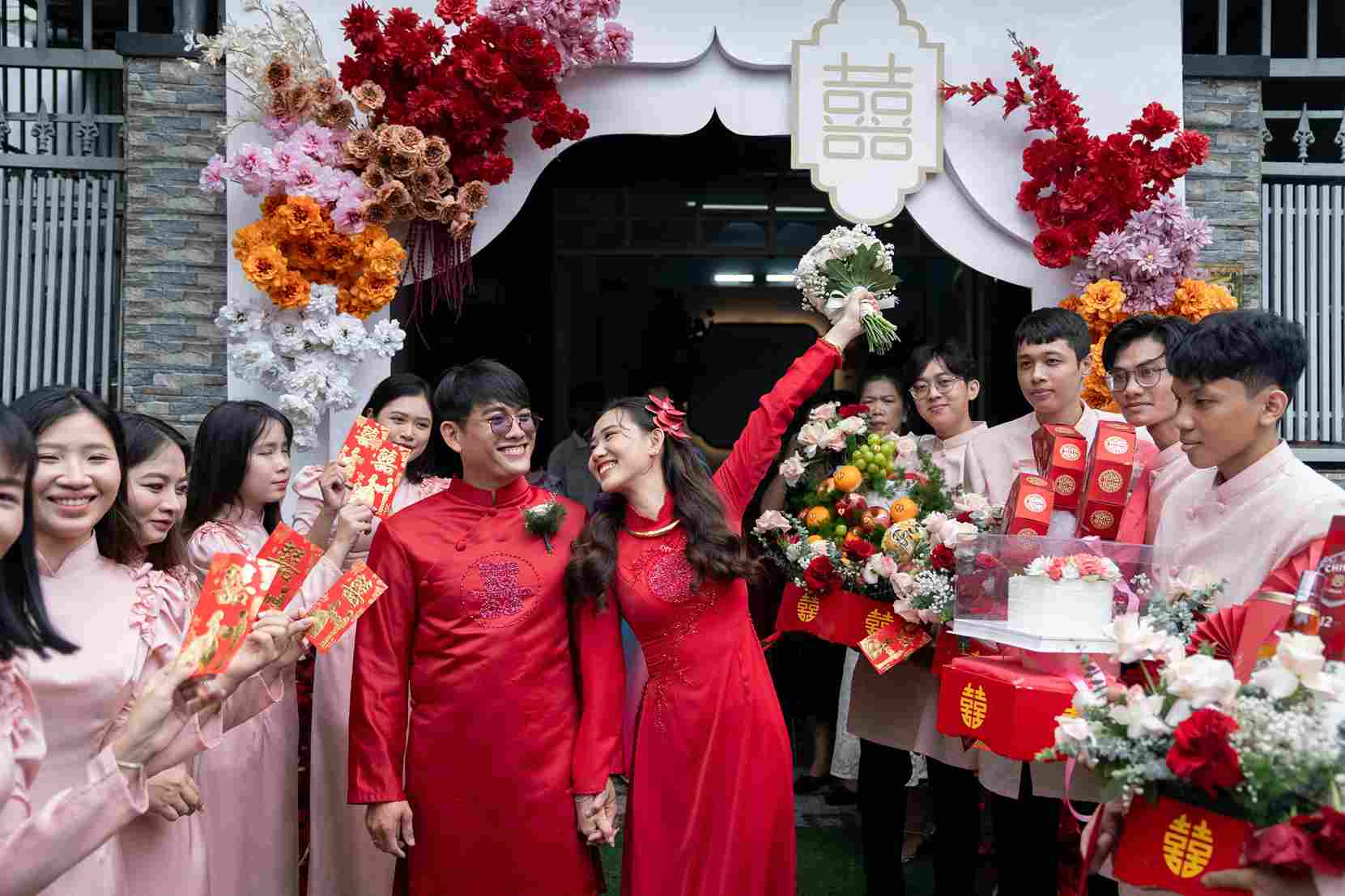
Multicultural weddings, whether Chinese, Malay, Indian, or a blend, come with their own nuances around colour, modesty, and dress code etiquette. While a full guide to cultural wedding guest attire deserves its own dedicated article, a few general principles are worth keeping in mind.
At many traditional Asian weddings, white is best avoided, it carries associations with mourning in several cultures and can feel unintentionally somber. Modesty is generally appreciated across most cultural ceremonies, particularly for religious components of the event. When in doubt, a quick message to the couple or a close mutual friend is always the most gracious move.
For those attending a Chinese wedding reception and considering a cheongsam, our guide on wearing a cheongsam to a Chinese wedding covers the dos and don’ts in detail.
The Wedding Guest Colour Guide, What Works and What to Skip
Colour is one of the most anxiety-inducing parts of wedding guest dressing, and it really doesn’t need to be. There is really only one universal rule, and everything else is context.
The one rule: avoid white, ivory, and cream. These shades are traditionally reserved for the bride, and showing up in them, even unintentionally, puts you in an awkward position regardless of the culture or setting. It’s simply one to sidestep.
Beyond white, the rules are far more flexible than most people think. All-black can look incredibly chic and polished at a formal Western-style wedding, though at some traditional Asian ceremonies, head-to-toe black may feel a little sombre, so it’s worth reading the setting. Very bright neon shades or overly flashy statement pieces are better kept for a different occasion, the general spirit is to complement the celebration, not compete with it.
Soft neutrals, warm pastels, rich jewel tones, florals, and confident solid colours are almost always a safe and stylish choice. If you’re ever genuinely unsure about a specific colour for a specific cultural wedding, a friendly message to the couple or a mutual friend is always the most gracious way to check.
Dress Silhouettes That Always Work for Weddings
Beyond the dress code and the colour, the silhouette you choose does a lot of the work. Here are the go-to shapes that reliably look polished and occasion-appropriate across most wedding types.
Midi Dresses
Midi dresses are arguably the most versatile wedding guest choice available. The midi length hits the right note for both formal and semi-formal settings, works equally well in florals, solids, and prints, and can be dressed up or down with accessories depending on the occasion.
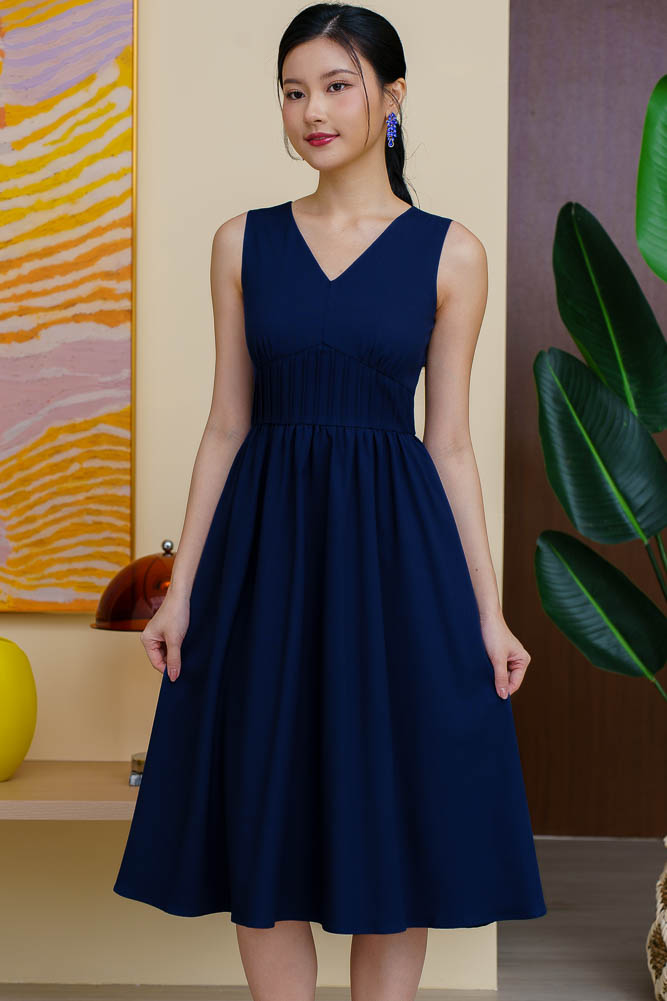
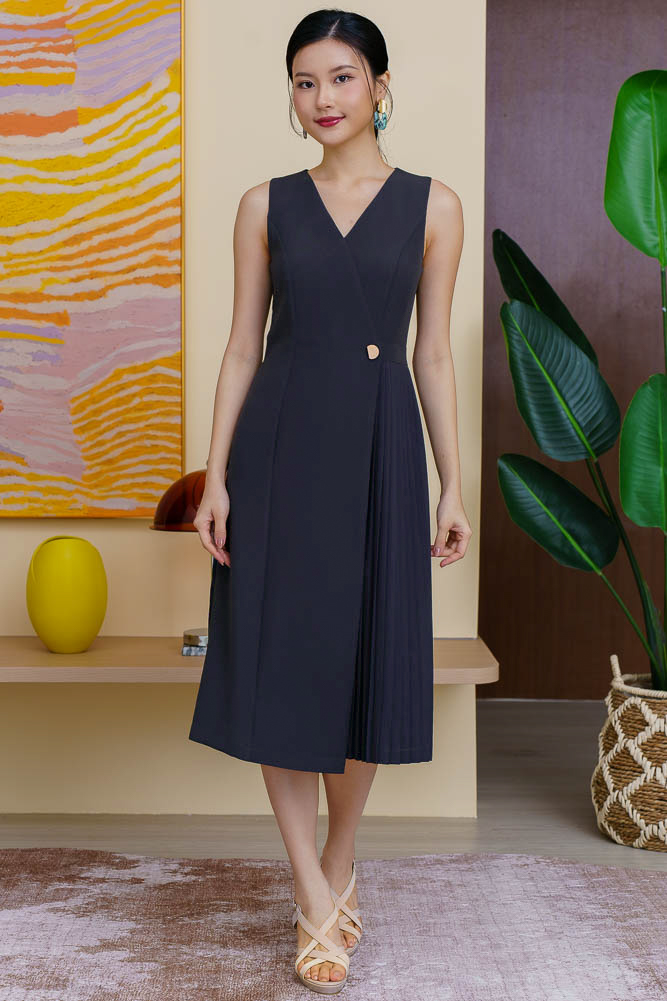
A well-fitted midi dress in a quality fabric is one of the most rewearable pieces you can invest in, it will take you from wedding to work dinner to festive celebration without missing a beat. The Luna Flare Dress and the Urbana Fold Pleated Dress are both elegant examples of how a midi silhouette can feel effortlessly occasion-ready.
Maxi Dresses
Maxi dresses bring an effortless sense of luxury to any formal or evening wedding. A flowy chiffon or soft satin maxi in a rich jewel tone or refined solid colour feels polished without trying too hard, and moves beautifully throughout a long evening.
Dressy Jumpsuits
Dressy jumpsuits are a stylish and underrated alternative to dresses, and yes, they are absolutely appropriate for weddings, provided the fabric and styling feel occasion-ready. A wide-leg jumpsuit in a quality fabric, styled with heels and elegant accessories, is a confident and modern choice that works particularly well for garden, daytime, and semi-formal receptions.
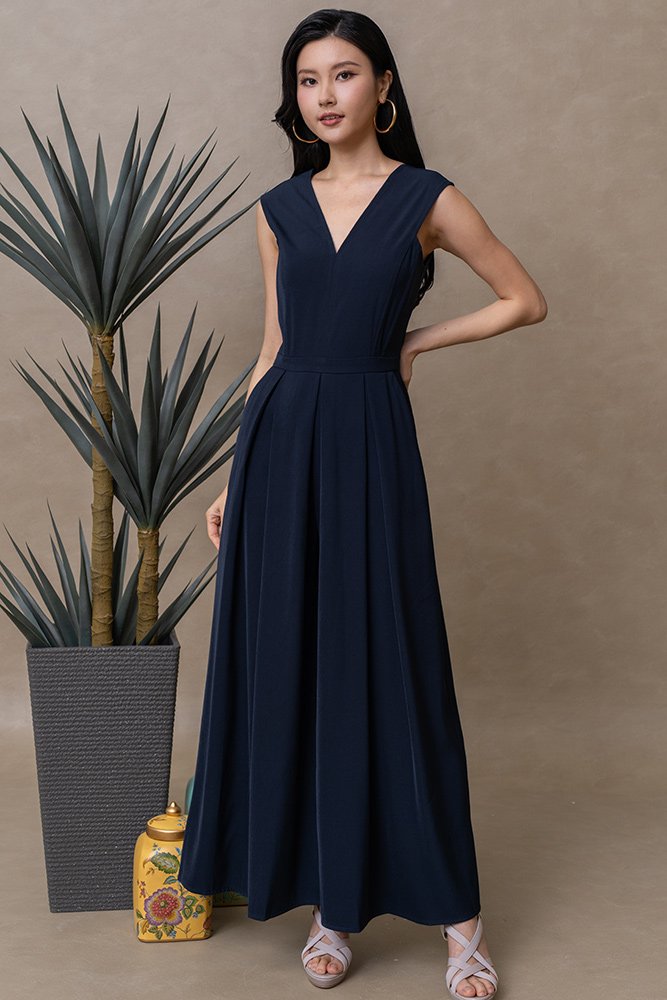
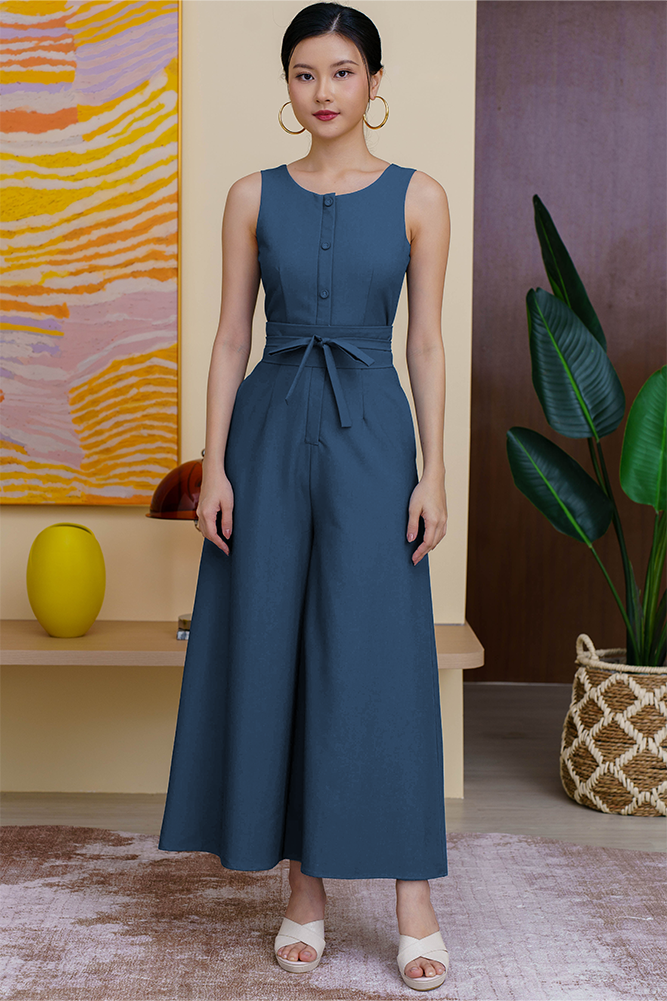
The Ottilia Broad-Legged Jumpsuit and the Gigi Reversible Jumpsuit are both versatile pieces that strike this balance well. For more options, browse our jumpsuit and romper collection.
Elegant Separates
Elegant separates, a beautifully cut blouse paired with tailored wide-leg trousers or a midi skirt, are a sophisticated choice that doesn’t get enough attention as a wedding guest option. They offer flexibility, feel polished, and are among the most rewearable combinations in your wardrobe.
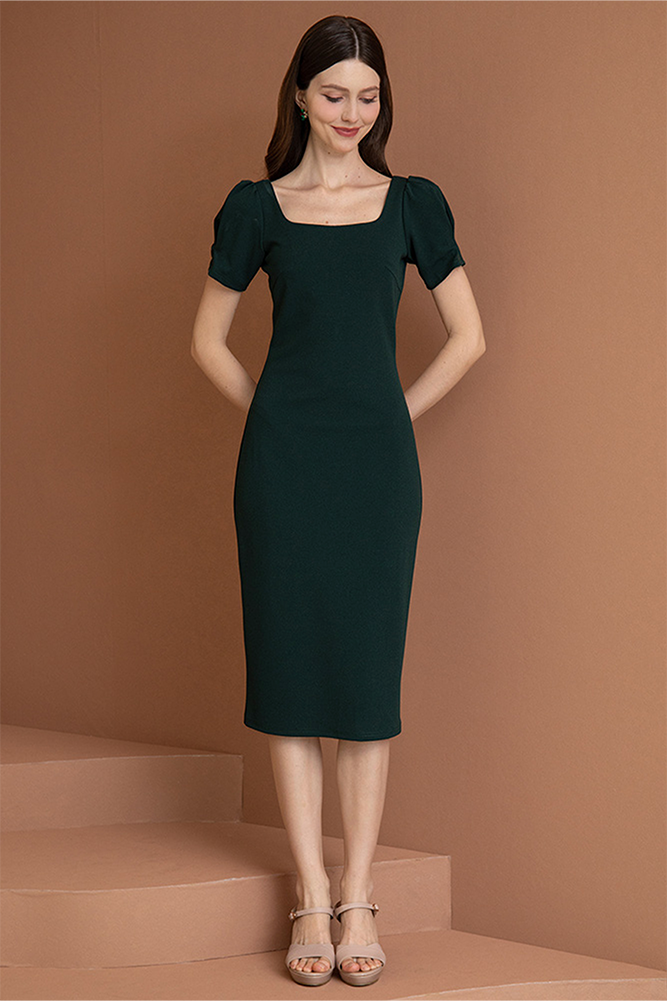
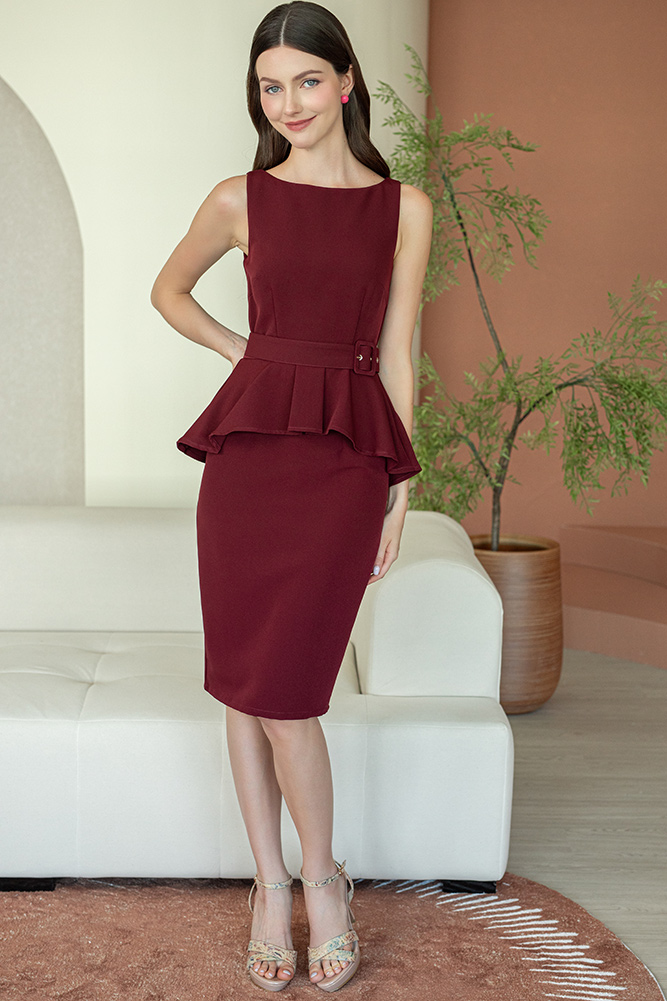
The Lexner Square Neck Dress and the Sofina Classic Peplum Dress in Wine are also worth considering if you’re drawn to something slightly more structured and defined in silhouette.
Quick Tips to Pull the Look Together
- When in doubt, dress slightly more formal. It’s always better to be slightly overdressed than underdressed at a wedding. A little extra polish never goes unnoticed.
- Check the venue before choosing shoes. Outdoor and garden weddings call for block heels, wedges, or elegant flats, stilettos and thin heels on grass are a recipe for discomfort.
- Dress for the climate. In Singapore’s tropical heat, breathable fabrics like chiffon, soft satin, or lightweight linen blends will keep you comfortable through a three-hour dinner reception in a way that heavy or structured fabrics won’t.
- Avoid anything too tight or too revealing. Weddings call for elegance and ease. You’ll be sitting, eating, dancing, and possibly tearing up during the vows, comfort matters as much as style.
- Accessorise with intention. A well-chosen pair of earrings, a structured bag, or an elegant hair piece can elevate a simple dress into a complete occasion look without any extra effort.
- Think about rewear potential. The smartest wardrobe investment is a piece you’ll actually wear again. A beautifully cut midi dress or an elegant jumpsuit doesn’t just work for this wedding, it works for the next one, for a work dinner, for a festive celebration. That’s the piece worth choosing.
Find the Right Look for Your Next Wedding
Wedding guest dressing doesn’t have to be complicated. Read the occasion, choose something that feels polished and comfortable, and prioritise pieces you’ll genuinely want to reach for again. The right outfit isn’t just about looking good on the day, it’s about wearing something that feels like you, refined and occasion-ready.
Looking for something to wear to your next wedding? Explore our curated wedding guest collection, from elegant midi styles and flowing maxi dresses to dressy jumpsuits and refined separates, each piece is designed to take you from the ceremony to the dance floor with ease.
FAQs Related to What to Wear to a Wedding
What should I wear to a wedding as a guest?
Start by reading the dress code on the invitation, or use the venue and timing as your guide if none is provided. Choose an occasion-appropriate length, midi or maxi for formal evening receptions, cocktail length for semi-formal events, and always avoid white, ivory, or cream. A well-fitted midi dress or an elegant jumpsuit in a quality fabric is almost always a safe and stylish choice, regardless of the setting.
What to wear to weddings in Singapore?
Singapore weddings, especially Chinese dinner receptions at hotel ballrooms, tend to run semi-formal to formal. A midi or maxi dress in a jewel tone, a rich floral, or a confident solid colour is ideal. Avoid white and overly casual fabrics. For Malay weddings, modest and colourful attire is appreciated and always well-received. When the dress code isn’t specified, dressing slightly more formal is always the safer and more gracious choice.
What colours are off limits for wedding guests?
White, ivory, and cream are universally avoided, these shades are traditionally reserved for the bride and wearing them as a guest, even unintentionally, can feel awkward. At certain traditional Asian weddings, all-white also carries mourning associations and is best avoided. Very bright neon shades or overly flashy outfits that draw attention away from the couple are also better saved for a different occasion. Beyond these, most colours, from soft pastels to bold jewel tones, are perfectly appropriate.
What is the correct attire for a wedding?
It depends on the dress code and setting. For formal evening receptions, aim for a midi or floor-length dress in an occasion-appropriate fabric. For semi-formal or cocktail events, knee to midi length works well. For garden or casual weddings, a flowy printed or floral dress is appropriate. For daytime or luncheon weddings, elegant midi dresses or refined separates hit the right note. When uncertain, always dress slightly more formal rather than less.
What is not acceptable to wear to a wedding?
Avoid white, ivory, or cream, anything that could be mistaken for bridal. Overly casual clothing such as denim, athletic wear, or very short hemlines are not appropriate for most wedding settings. Anything too tight, too revealing, or that feels more suited to a night out than a formal celebration is best left for a different occasion. The general principle is simple: dress with respect for the couple, the setting, and the occasion.