
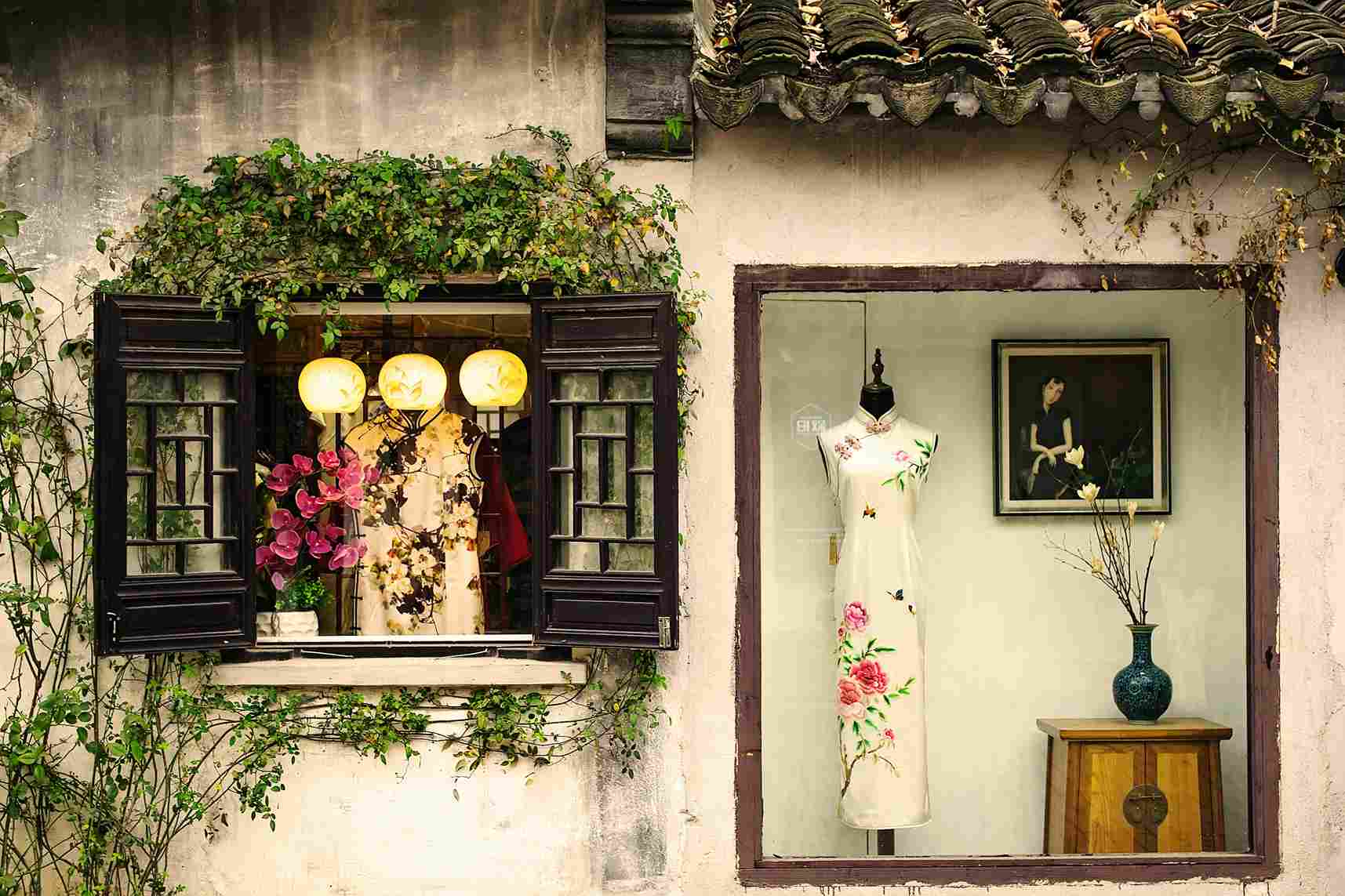
Step into any multi-generational family gathering in Singapore, and you will likely spot a garment that instantly commands attention with its high collar, structured posture, and quiet elegance. This is the cheongsam, a dress that carries over a century of history in its seams, evolving from a symbol of social revolution into a beloved staple of modern Asian heritage. To understand this iconic garment is to appreciate how fashion can preserve cultural identity while adapting beautifully to the rhythm of contemporary life.
What Is a Cheongsam?
At its most fundamental, the cheongsam (長衫) is a traditional, close-fitting Chinese dress characterized by an upright collar, an asymmetrical opening that closes across the chest, and side slits that allow for ease of movement. While the term is universally recognized, its linguistic roots reveal a fascinating regional history. The word "cheongsam" comes from the Cantonese Romanisation meaning "long dress," which was historically used in southern China and Hong Kong. In Mandarin, the garment is known as the "qipao" (旗袍), which translates to "banner robe." For a deeper dive into how these regional terms and styles evolved, you can explore our detailed comparison of cheongsam and qipao.
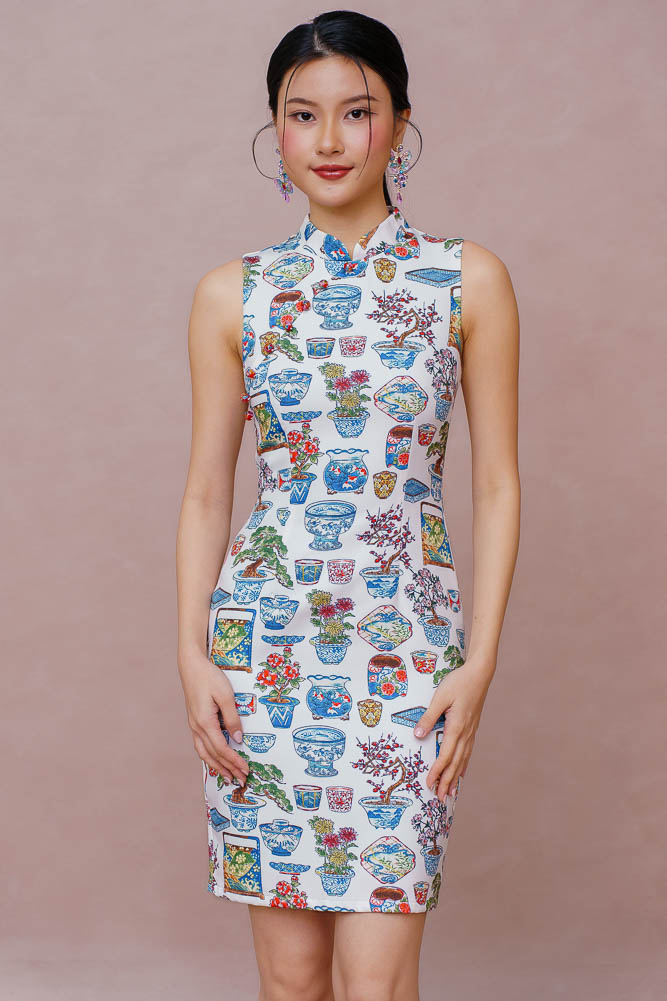
Historically, the dress served as a formal garment reserved for special occasions, but today, the narrative has shifted. Modern women no longer view it as a costume or a relic of the past. Instead, it has become a versatile option for daily wear, blending traditional structure with effortless comfort. A perfect example of this modern transition is The Porcelain Maker Cheongsam Dress, which pairs the classic silhouette with a fresh, wearable design that transitions seamlessly from morning meetings to weekend luncheons.
Origins: Where the Cheongsam Comes From
To appreciate the modern cheongsam, one must first understand its ancestral roots, which began in a far more conservative era. The earliest predecessor of the dress was the loose, concealing robe worn by Manchu women during the Qing Dynasty, which spanned from 1644 to 1911. Under the ruling Eight Banner system, these robes, known as banner gowns, were designed to hide the natural curves of the female form. They featured wide sleeves, heavy embroidery, and a straight, boxy cut that fell all the way to the ankles.
This historical silhouette stands in stark contrast to the form-fitting garment we recognize today. The transition from a voluminous, body-concealing robe to a tailored dress was not merely a change in fashion, but a reflection of profound social upheaval. As dynastic rule crumbled, women sought a new visual identity that rejected imperial constraints, paving the way for a style that celebrated personal autonomy and physical freedom.
The 1920s Shanghai Transformation: When the Cheongsam Became Modern
The true birth of the modern cheongsam took place in 1920s Shanghai, a cosmopolitan metropolis where Eastern tradition met Western influence. During this vibrant decade, Shanghai became a hub of art, commerce, and intellectual discourse. Modern Chinese women, particularly university students and female professionals, began demanding garments that reflected their newfound independence, education, and active lifestyles.
In response, local tailors began modernising the traditional Manchu robe. They discarded the heavy, restrictive layers and adopted Western tailoring techniques, introducing bust darts, side seams, and fitted waists that gently traced the natural contours of the body. Hemlines rose, sleeves shortened, and the collar became a frame for the face. By merging traditional Chinese aesthetics with Western structural design, these artisans created a silhouette that represented liberation, intelligence, and modern femininity.
The Cheongsam in Singapore: A Living Cultural Garment
While the cheongsam originated in China, it has carved out a unique and enduring home in Singapore. It is not merely an archive piece to be admired in museums, but a living, breathing part of Singapore's multicultural identity. Through the decades, local communities have embraced the dress, making it a cherished garment for celebrating major life milestones, festive occasions, and family celebrations.
In Singapore, the dress is particularly prominent during the Lunar New Year, where families gather to honour their heritage and welcome prosperity. Finding the right piece involves looking for designs that marry traditional elements with breathable fabrics suitable for our tropical climate. If you are preparing for the festive season, you can read our guide on finding the perfect cheongsam for Chinese New Year to discover styles that offer both elegance and comfort. For broader inspiration, our Lunar New Year styling tips provide creative ways to accessorise these traditional silhouettes.
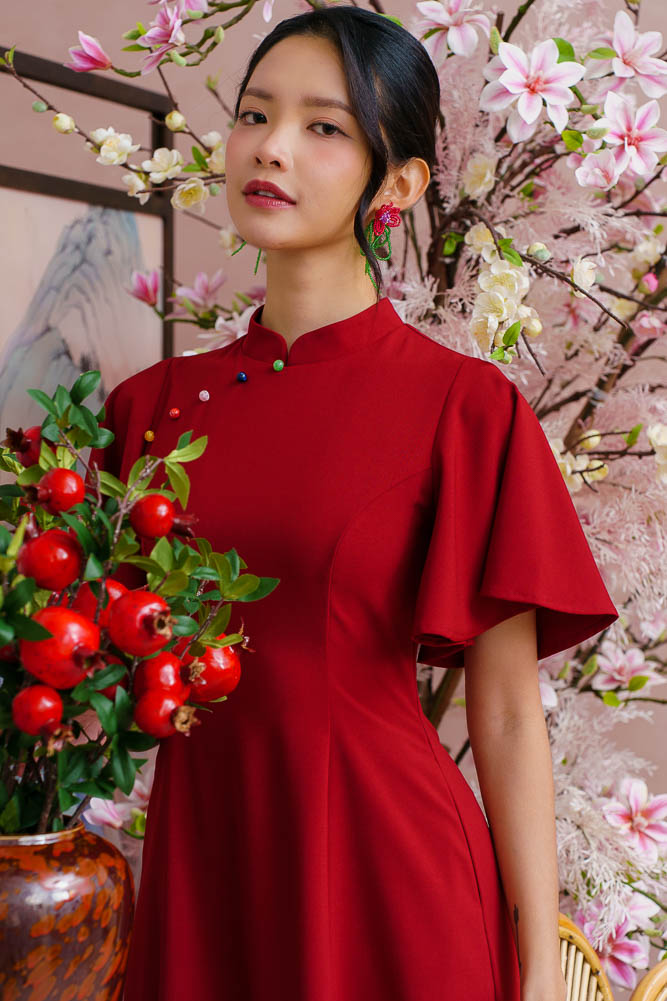
To explore our curated seasonal designs, browse the complete Lunar New Year collection. For an option that perfectly captures this festive spirit with a touch of modern romance, the Golden Thread Flutter-Sleeved Cheongsam Dress features delicate details that pay tribute to heritage while offering a flattering, comfortable fit for all-day celebrations.
The Cheongsam Today: From Formal Staple to Modern Wardrobe Piece
In the contemporary fashion landscape, the cheongsam has undergone another beautiful evolution. It is no longer restricted to the festive calendar or formal events. Today's designers are reimagining the silhouette for the modern woman, creating pieces that fit effortlessly into a contemporary wardrobe. By incorporating relaxed cuts, soft cottons, and functional details like pockets, the dress has transformed into an elegant, everyday option.
This evolution has also inspired regional fusions, where the structured Chinese collar meets the rich textile traditions of Southeast Asia. Incorporating traditional prints allows modern women to celebrate a broader cultural narrative. To learn more about these contemporary variations, you can explore our guide on modern cheongsam styles, or find inspiration on wearing a cheongsam to a wedding as a guest.
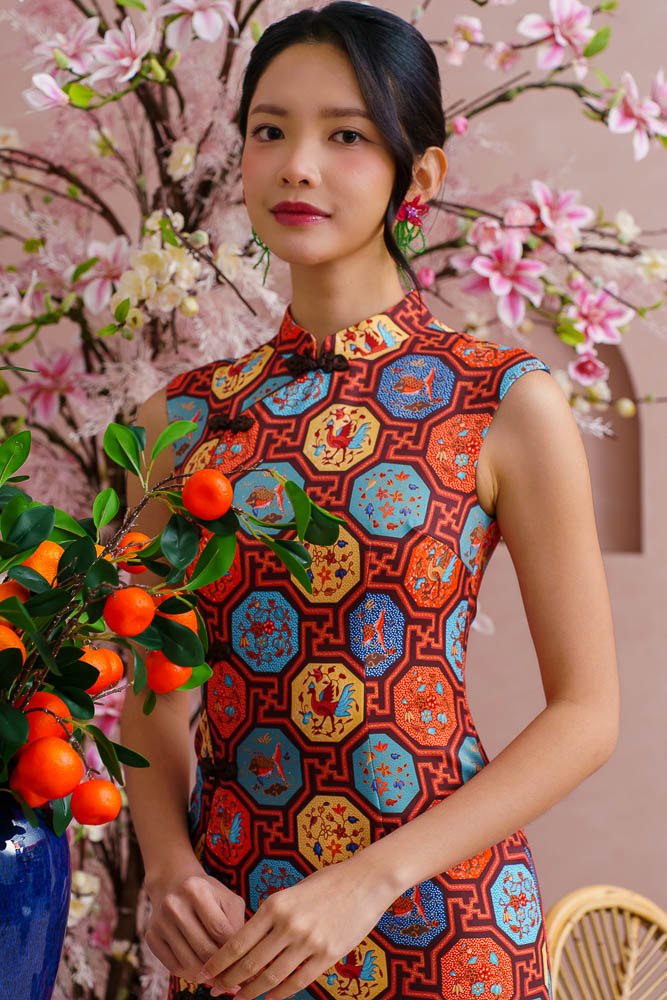
For those who appreciate the artistry of regional textiles, reading about Batik craftsmanship reveals the meticulous process behind these heritage prints. You can view these stunning regional patterns in our Batik Couture collection. A standout piece that exemplifies this cultural fusion is the Dream of a Thousand Mansions Batik Cheongsam, which combines the classic Mandarin collar with rich, intricate Batik motifs, offering a sophisticated look for both work and social gatherings.
What Makes a Cheongsam a Cheongsam? (The Signature Details)
To truly understand the cheongsam, one must look closely at the specific design elements that define its identity. Each detail serves a purpose, balancing structure, comfort, and artistry.
The Mandarin Collar
The upright, rounded collar is perhaps the most recognizable feature of the dress. It sits snugly against the neck, framing the face and instantly encouraging a graceful, upright posture. In modern designs, the height of the collar is often softened to ensure maximum comfort during daily wear.
Frog Button Fastenings (Pankou)
Traditionally crafted from knots of silk cord, these intricate closures are functional works of art. They can range from simple, minimalist knots to elaborate floral and animal shapes, adding a touch of delicate craftsmanship to the collar and chest area.
The Fitted Silhouette
Unlike Western garments that often rely on corsetry or heavy structure to shape the body, the cheongsam relies on precise tailoring. It is designed to work with the natural curves of the wearer, offering a streamlined look that feels like a second skin.
The Side Slits
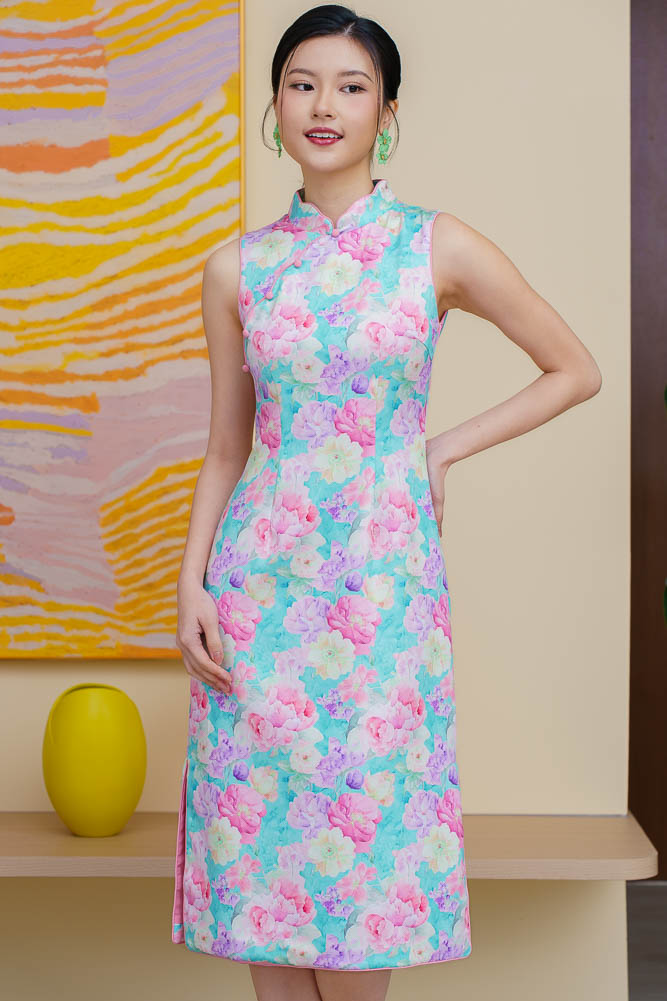
Originally designed to allow women to walk, sit, and move with ease, the side slits are both a practical necessity and a signature aesthetic detail, offering a subtle glimpse of movement as you walk. For a refined take on contemporary elegance, the Flowers of the Cloud Garden Side Slit Cheongsam Dress in Pearl Jade blends a serene, nature-inspired palette with a sleek side slit, creating a graceful silhouette that feels both timeless and effortlessly modern.
Modern Fabrics
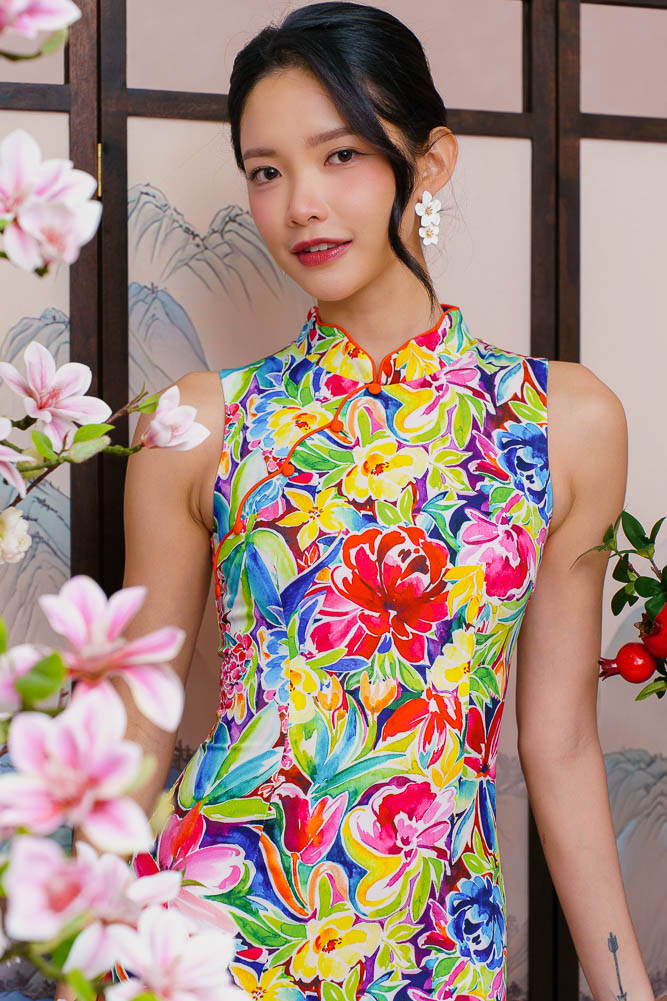
While historical versions were crafted from heavy silks, brocades, and jacquards, contemporary interpretations embrace lightweight, breathable textiles. Soft cottons, delicate lace, and subtly textured fabrics ensure that the dress remains comfortable in warm climates. For a beautiful illustration of how modern fabrics can transform this traditional shape, the Watercolour of a Hundred Flowers Cheongsam Dress utilizes soft, flowing fabric and a delicate floral print to create a romantic, highly wearable design.
Conclusion: A Timeless Legacy for the Modern Woman
The cheongsam is far more than a beautiful dress, it is a testament to the enduring strength, grace, and adaptability of Asian women through the generations. From its origins as a revolutionary statement in early twentieth-century Shanghai to its current role as a cherished cultural garment in Singapore, it continues to reinvent itself without losing its elegant soul.
By choosing pieces that blend this rich heritage with modern comfort and contemporary tailoring, you can honour the past while fully embracing the present. Explore our modern cheongsam collection to find a design that speaks to your personal style and fits beautifully into your everyday life.